Car-Wrapping-Factors-that-affects-Types-Cost-and-Benefits!.webp

Car Wrapping - Factors that affects, Types, Cost and Benefits!

11 Oct 2024, By Admin

Car wrapping has become a popular choice for those looking to personalize their vehicle without committing to a permanent paint job. Whether you want to protect your car's original paint, advertise a business, or simply give it a new look, a car wrap is a versatile solution. However, understanding the various aspects, including car wrap cost, is crucial before making a decision. This blog will delve into the factors affecting car wrapping, different types of wraps, the associated costs, and the benefits they bring.

What is Car Wrapping?

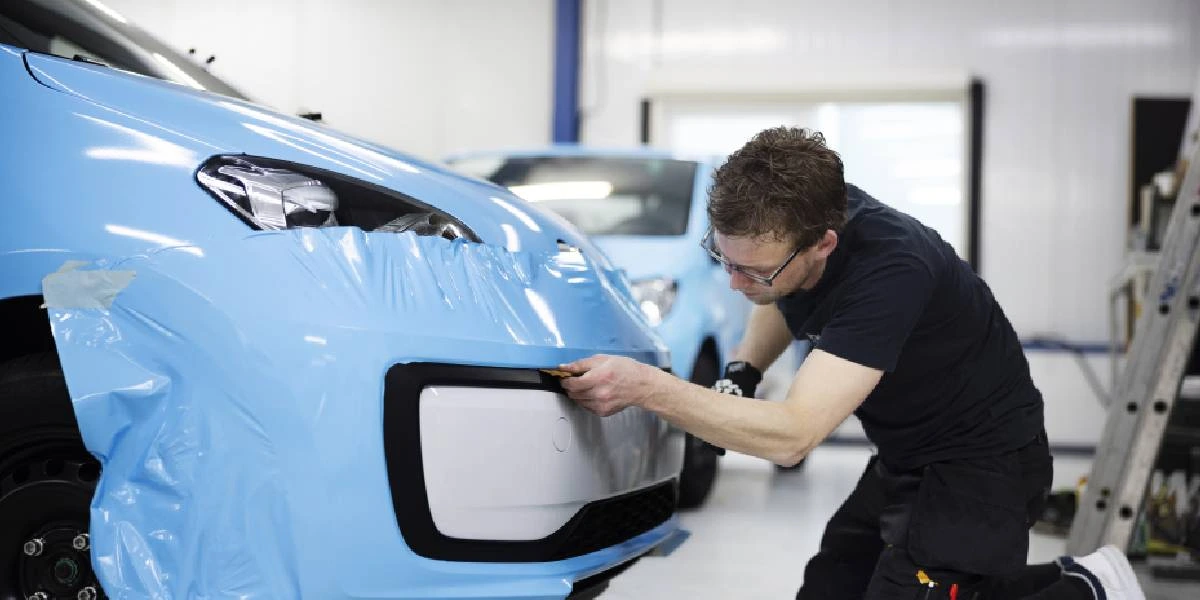
Car wrapping involves applying a thin, adhesive vinyl film to the exterior of a vehicle. This film can be of any color or pattern and is customizable to match the car owner's preferences. The wrap is applied by professionals and can cover the entire vehicle or just specific parts, such as the hood, roof, or side mirrors.

Factors That Affect Car Wrapping

Several factors determine the car wrap cost and the overall quality of the wrap:

  1. Type of Vinyl: The material used for the wrap can significantly impact the price. Premium vinyl wraps like those from 3M, Avery Dennison, or Oracal are more durable and offer better finishes but come at a higher cost. Lower-cost vinyl is available but may not last as long or look as polished.
  2. Size of the Vehicle: Larger vehicles, such as trucks or SUVs, require more vinyl material, leading to a higher car wrap cost. In contrast, smaller cars like sedans or hatchbacks require less material, making the wrapping process quicker and more affordable.
  3. Complexity of the Design: Custom designs, intricate patterns, or multiple colors can drive up the car wrap cost. A simple single-color wrap will generally be cheaper than a design that includes logos, gradients, or detailed graphics.
  4. Surface Condition: The condition of the car's surface affects both the wrapping process and cost. If the vehicle has dents, scratches, or peeling paint, it might require additional prep work before applying the wrap. This can increase the overall price.
  5. Quality of Installation: The expertise of the installer also plays a role in the final outcome. Professional wrap shops often charge more, but they guarantee a seamless application that can last longer without peeling or bubbling. Choosing a reputable installer can help avoid future issues.

Types of Car Wraps

Understanding the different types of car wraps is important when deciding what suits your needs and budget:

  1. Gloss Wraps: Gloss wraps mimic the finish of a standard car paint job, giving your vehicle a shiny, polished look. These are popular for those looking to maintain a classic appearance while changing the color of their vehicle.
  2. Matte Wraps: Matte wraps provide a smooth, non-reflective surface that can give your car a modern and sleek look. They are favored by car enthusiasts who want a unique, sophisticated finish.
  3. Satin Wraps: Satin wraps fall between gloss and matte finishes, offering a subtle sheen without being overly reflective. This type is perfect for those looking for a more understated style.
  4. Textured Wraps: Carbon fiber, brushed metal, and chrome wraps are considered textured wraps. They add a unique and dynamic look to specific areas of a vehicle, like the hood or roof. These wraps are often more expensive due to their specialized material.
  5. Custom Printed Wraps: Custom wraps allow car owners to create unique designs, logos, or images. They are often used for advertising or branding purposes, making vehicles stand out in traffic. The car wrap cost for custom prints can be higher due to the design process and specialized printing.

Car Wrap Cost: How Much Should You Expect to Pay?

The car wrap cost varies depending on the factors mentioned above. Here’s a general breakdown:

  • Partial Wraps: Wrapping only parts of the vehicle (like the hood, roof, or mirrors) can range from $200 to $1000. This is a good option if you want to change just a portion of your car's appearance or advertise a logo.
  • Full Wraps: A complete wrap that covers the entire vehicle can cost anywhere between $2000 to $6000. For luxury vehicles or more complex designs, the price may go even higher. High-
  • Quality Custom Wraps: Custom designs or specialty wraps like chrome or carbon fiber may range from $5000 to $10,000 or more. These are ideal for businesses looking to create a rolling advertisement or for car enthusiasts aiming for a one-of-a-kind look.

While the initial investment may seem high, the benefits of car wrapping often outweigh the costs, especially when compared to a custom paint job that can cost anywhere from $3000 to $20,000.

Benefits of Car Wrapping

  1. Cost-Effective Customization: Unlike custom paint jobs, wraps offer a more affordable way to achieve a new look for your car. You can switch up styles without the need for permanent changes, making it ideal for those who like to refresh their vehicle’s appearance periodically.
  2. Paint Protection: A vinyl wrap acts as a protective layer against UV rays, scratches, and minor abrasions. This helps maintain the car's original paint and protects its resale value. When it’s time to sell, you can remove the wrap, revealing the preserved paint underneath.
  3. Versatility: With an endless array of colors, patterns, and finishes available, car wraps offer unmatched versatility. From changing your vehicle’s color to applying a company logo for branding purposes, the possibilities are limitless.
  4. Easy Maintenance: Vinyl wraps are easier to clean than paint. A simple wash with soap and water will keep the wrap looking fresh. Unlike traditional paint, you don’t need to worry about polishing or waxing.
  5. Reversibility: One of the biggest advantages of car wraps is that they are reversible. If you want to revert to your vehicle’s original color or change the design, you can simply remove the wrap without any damage to the paint beneath.

Car wrapping is an excellent way to change your vehicle’s appearance without the long-term commitment and expense of a new paint job. Understanding the factors that affect car wrap cost, the types of wraps available, and the benefits they offer can help you make an informed decision. Whether you want to protect your car's original paint, advertise your business, or just express your personality through a custom design, car wraps provide a flexible and creative solution.

If you're considering a wrap for your vehicle, consult with a reputable installer to get an accurate estimate and explore your options. While the initial car wrap cost may seem like a significant investment, the long-term benefits and the potential to transform your vehicle make it a worthwhile choice.

Book Now

Why Tinting your car's windows can prove to be a boon for your leather upholstery?

Love Your Car? Show It Some Love with Paint Protection Film

11 Oct 2024, By Admin

Owning a car is more than just a mode of transportation – it's a reflection of your personality and a source of pride. Whether you have a brand-new luxury vehicle or a trusted companion that has seen its fair share of adventures, maintaining its appearance is essential. This is where Paint Protection Film (PPF) steps in as the modern-day armor for your beloved automobile.

The Evolution of Car Care

In the not-so-distant past, car owners relied on waxing and polishing to preserve the shine and finish of their vehicles. However, the automotive industry has seen remarkable advancements, and the introduction of Paint Protection Film has transformed the way we care for our cars.

Unveiling Paint Protection Film (PPF)

Paint Protection Film, often referred to as clear bra, is a transparent, ultra-thin polyurethane film that is meticulously applied to the exterior surfaces of a vehicle. This film acts as a shield, protecting the car's paintwork from various forms of damage that it encounters on the road.

Benefits of Paint Protection Film

1. Guard against Scratches and Chips: Gravel, rocks, road debris, and even minor accidental brushes can leave unsightly scratches and chips on your car's paint. PPF acts as a sacrificial layer, absorbing the impact and preventing these damages from reaching your car's finish.

2. Preserve the Paint's Gloss:PPF is designed to resist yellowing and clouding over time, ensuring that your car's shine remains intact for years. This allows you to retain that 'just out of the showroom' appearance, enhancing the resale value of your vehicle.

3. UV Radiation and Chemical Resistance: The sun's harmful UV rays and environmental contaminants can cause fading and damage to your car's paint. PPF offers protection against these elements, maintaining the vibrancy of your vehicle's color.

4. Self-Healing Properties: Some advanced PPF formulations have self-healing properties. Minor scratches and swirls on the film disappear when exposed to heat, maintaining a flawless appearance.

Installation Process

The installation of Paint Protection Film requires skill and precision. Trained professionals apply the film using a combination of heat and specialized tools to ensure a seamless and invisible finish. While it's possible to install PPF yourself, it's recommended to seek professional assistance for the best results.

Caring for Your Protected Car

Caring for a car with Paint Protection Film is relatively straightforward. Regular washing and detailing routines can be continued as usual. Opt for gentle cleaning products and techniques to ensure the longevity of the film's appearance.

In a world where appearances matter, Paint Protection Film emerges as a modern solution for car enthusiasts and everyday drivers alike. Its ability to shield against the rigors of the road while preserving your car's aesthetics is a testament to the advancements in automotive care. So, if you love your car, why not show it some love by investing in the ultimate form of protection – Paint Protection Film. Your car will thank you with a brilliant and ageless shine that turns heads wherever you go. Dr. Tint & Wrap is your premier destination for top-tier Paint Protection Film (PPF) services, ensuring your vehicle's pristine finish remains untouched by road hazards and wear. With expert installation and a commitment to preserving your car's allure, Dr. Tint & Wrap takes automotive protection to the next level.


See More

Why Tinting your car's windows can prove to be a boon for your leather upholstery?

How Much Does It Cost to Tint a Car in Auckland?

11 Oct 2024, By Admin

If you're considering enhancing the privacy, comfort, and style of your vehicle, car window tinting is a popular and effective solution. But how much does it cost to tint a car in Auckland? In this blog, we'll explore the factors that influence the price ofcar window tinting, the benefits of getting your windows tinted, and what you can expect to pay in Auckland.

Factors Influencing Car Window Tinting Costs

The cost of car window tinting can vary based on several factors:

  1. Type of Tint Film: The quality and type of tint film you choose significantly impact the price. Standard dyed films are cheaper, while high-performance films, such as ceramic or metalized options, are more expensive due to their superior heat rejection and durability.
  2. Number of Windows: Tinting a full car (including all windows) will cost more than just tinting a few windows. The size and number of windows play a crucial role in determining the total cost.
  3. Vehicle Type: The make and model of your vehicle can affect the price. Larger vehicles like SUVs and vans generally cost more to tint than smaller sedans or hatchbacks due to the larger window surface area.
  4. Labor Costs: The expertise and reputation of the service provider can influence labor costs. Established shops with experienced technicians may charge more for their higher quality of service.
  5. Additional Features: Some tint films come with extra features, such as UV protection, glare reduction, and enhanced shatter resistance, which can add to the overall cost.

Average Costs of Car Window Tinting in Auckland

In Auckland, the price of car window tinting typically ranges from $150 to $800. Here’s a breakdown based on different factors:

  • Basic Tinting: For a standard car with basic dyed film, you can expect to pay between $150 to $300.
  • Mid-Range Tinting: For better quality films, such as hybrid or metalized tints, the cost ranges from $300 to $500.
  • Premium Tinting: High-performance ceramic or infrared rejection films can cost anywhere from $500 to $800 or more.

Benefits of Car Window Tinting

Investing in car window tinting offers several advantages:

  1. Heat Reduction: High-quality tint films can significantly reduce heat build-up inside the car, making it more comfortable during hot Auckland summers.
  2. UV Protection: Tinted windows block up to 99% of harmful UV rays, protecting your skin and preventing the interior from fading and cracking.
  3. Glare Reduction: Tinting reduces glare from the sun and headlights, enhancing driving comfort and safety.
  4. Privacy and Security: Tinted windows provide greater privacy by making it harder for outsiders to see inside your vehicle. They also add a layer of security by making it more difficult to break the glass.
  5. Aesthetic Appeal: Tinted windows give your car a sleek, stylish look that can enhance its overall appearance.

Finding a Reputable Tinting Service in Auckland

To get the best value for your money, it's essential to choose a reputable car window tinting service in Auckland. Here are some tips to help you find a reliable provider:

  • Read Reviews: Check online reviews and testimonials from previous customers to gauge the quality of service.
  • Ask for Recommendations: Seek recommendations from friends or family who have had their windows tinted.
  • Check Certifications: Ensure the service provider uses high-quality films and employs certified technicians.
  • Compare Quotes: Get quotes from multiple providers to compare prices and services offered.

Conclusion

Car window tinting is a worthwhile investment that enhances your vehicle's comfort, safety, and appearance. In Auckland, the cost can vary depending on several factors, including the type of tint film, the number of windows, and the service provider's reputation. By understanding these factors and doing your research, you can find a tinting solution that fits your budget and meets your needs. Whether you opt for basic tinting or premium films, the benefits of car window tinting make it a smart choice for any vehicle owner.

See More

Why Tinting your car's windows can prove to be a boon for your leather upholstery?

How Long Does Car Wrapping Last

11 Oct 2024, By Admin

Introduction

Car wrapping has become an increasingly popular method for vehicle customization, allowing car owners to express their style and protect their vehicles' original paint. However, like any automotive enhancement, car wrapping is not a permanent solution. In this blog, we'll delve into the factors that influence the longevity of car wrapping and answer the burning question: How long does car wrapping last?

Understanding Car Wrapping

Car wrapping involves applying a thin, adhesive vinyl film to the exterior of a vehicle. This vinyl can come in various colors, patterns, and finishes, providing car owners with a versatile and cost-effective alternative to traditional paint jobs. Car wrapping is known for its ability to protect a vehicle's paint from scratches, stone chips, and other environmental damage while allowing for easy removal or color changes.

Factors Influencing Car Wrap Longevity

  • Quality of Materials: The longevity of a car wrap heavily depends on the quality of the materials used. High-quality vinyl films with UV-resistant properties tend to last longer and maintain their appearance over time. Cheaper, low-quality materials may deteriorate more quickly, leading to premature discoloration and peeling.
  • Installation Skill: Proper installation is crucial for the durability of a car wrap. Professional installers with experience and skill ensure that the vinyl adheres uniformly, avoiding air bubbles, wrinkles, and edge lifting. Poor installation can significantly reduce the lifespan of the wrap.
  • Environmental Factors: The environment in which a vehicle is driven and parked plays a vital role in how long a car wrap lasts. Harsh weather conditions, exposure to extreme temperatures, and prolonged sunlight exposure can accelerate the wear and tear of the vinyl. Regular exposure to elements like salt, bird droppings, and tree sap can also affect the wrap's longevity.
  • Maintenance and Care: Proper maintenance and care are essential for maximizing the lifespan of a car wrap. Regular washing with mild soapy water, avoiding abrasive cleaners, and keeping the vehicle sheltered when possible can contribute to preserving the wrap's appearance.
  • Intended Use: The intended use of the vehicle can impact the longevity of the car wrap. Vehicles used for daily commuting and exposed to heavy traffic may experience more wear than those used less frequently. Similarly, off-road or adventurous driving may increase the likelihood of damage to the wrap.

Signs of Aging and When to Replace

  • Fading: One of the most common signs of an aging car wrap is color fading. This is often a result of prolonged exposure to sunlight.
  • Peeling or Lifting: If the edges of the wrap start to lift or peel, it's an indication that the adhesive is losing its effectiveness, and the wrap may need replacement.
  • Cracking or Wrinkling: Over time, the vinyl may develop cracks or wrinkles, affecting both the aesthetic appeal and the protective function of the wrap.

How long does car wrapping last?

Car wrapping longevity depends on various factors.

What signs indicate that a car wrap needs replacement?

Signs that a car wrap may need a replacement include:

  • Fading: If the colors on the wrap start to fade or lose vibrancy, it may be time for a replacement.
  • Peeling or Bubbling: The appearance of bubbles or peeling edges indicates that the adhesive is failing, and the wrap needs attention.
  • Cracks or Tears: Physical damage, such as cracks or tears in the vinyl, compromises the effectiveness of the wrap and may necessitate replacement.
  • Loss of Gloss: If the wrap loses its glossy finish and becomes dull, it may be a sign of wear and tear.

How much does it cost to replace a car wrap?

The cost of replacing a car wrap depends on various factors, including the size of the vehicle, the complexity of the wrap design, and the quality of materials used. On average, you can expect to pay a few thousand dollars for a full wrap replacement.

See More

Feedback
   Feedback    Call Now