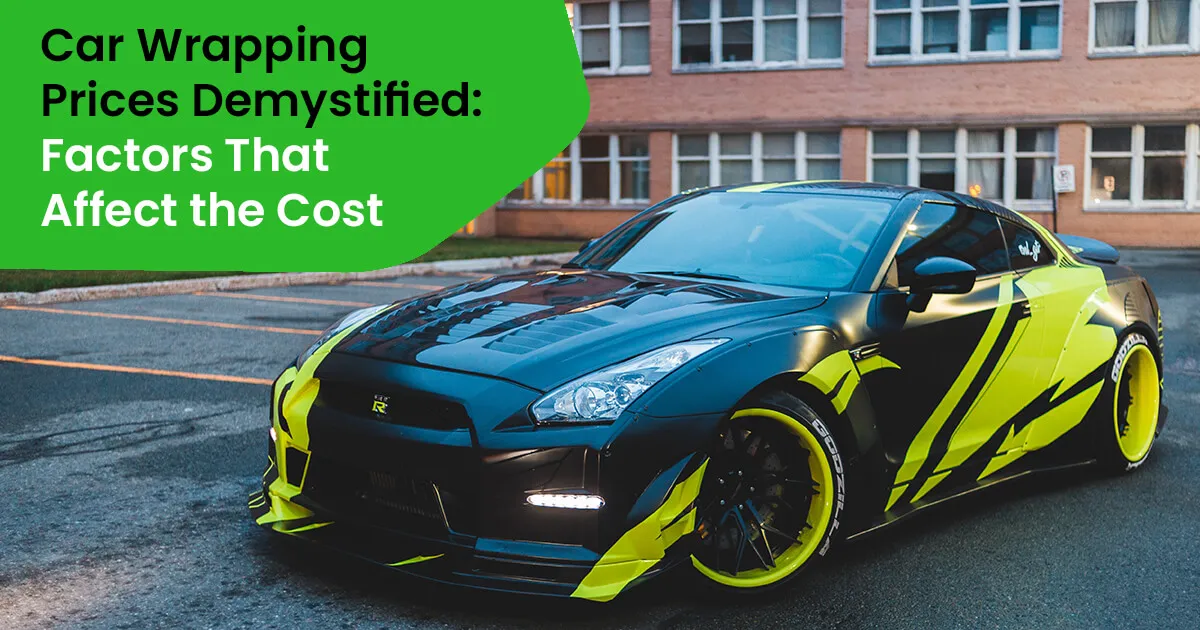
Car wrapping has become an increasingly popular option for vehicle owners who want to give their cars a unique appearance or protect their original paintwork. However, one common question that arises when considering car wrapping is, "How much does it cost?" Car wrapping prices can vary significantly depending on several factors. In this blog post, we will demystify car wrapping prices and explore the key factors that influence the cost.
The choice of wrap material plays a crucial role in determining the cost of car wrapping. There are various options available in the market, ranging from basic vinyl wraps to premium-grade materials. The quality, durability, and finish of the wrap material directly affect the price. High- quality materials tend to be more expensive, but they offer better longevity and superior aesthetics.
The size and complexity of the vehicle are essential considerations in pricing car wrapping services. Larger vehicles such as trucks, SUVs, or vans require more material and labor, resulting in higher costs compared to smaller cars. Similarly, vehicles with intricate body designs, curves, and contours demand additional time and expertise ensure a seamless installation, which can affect the overall pricing.
Another factor that impacts car wrapping prices is whether you opt for a partial also known as only roof and bonnet wrap or full wrap. A full wrap covers the entire vehicle, including the roof, hood, trunk, and all the body panels. Partial wraps, on the other hand, cover only specific areas of the car. Naturally, a full wrap requires more material and labor, leading to a higher cost compared to a partial wrap.
If you desire a customized design or graphics on your car wrap, the cost will be influenced by the complexity and intricacy of the design. Custom artwork, logos, or intricate patterns require specialized skills and precision, which may result in additional charges. The more detailed and elaborate the design, the higher the cost will be.
Additional services, such as surface preparation, paint protection, and removal of previous wraps, can also impact the overall car wrapping price. Proper surface preparation, including cleaning, degreasing, and removal of any contaminants, is vital for achieving a smooth and long-lasting finish. Paint protection films or clear coats may be recommended to enhance the durability of the wrap, but they can add to the cost.
Car wrapping prices can also vary based on the geographic location. Costs tend to be higher in urban areas or regions with a higher cost of living. Additionally, market competition and local demand can influence pricing. It is advisable to research multiple providers in your area to get a better understanding of the prevailing rates.
Car wrapping prices can vary significantly depending on various factors such as the type of wrap material, the size and complexity of the vehicle, the extent of coverage, custom design requirements, additional services, and geographic location. It is crucial to consider these factors when estimating the cost of car wrapping. To ensure a successful and satisfactory outcome, it is recommended to consult with professional car wrapping providers who can provide accurate pricing information based on your specific requirements. Dr. Tint stands out as a leading provider of top-notch car and vehicle wrapping services, offering the best quality and competitive prices in Hamilton, Rotorua, and Tauranga. Remember, investing in quality materials and expert installation is key to achieving a stunning and long-lasting car wrap.
When it comes to enhancing the comfort, energy efficiency, and privacy of your home, window tinting is an excellent choice. In 2023, homeowners are increasingly turning to home window tinting not only for its aesthetic appeal but also for its practical benefits. However, choosing the right window tint for your home can be a daunting task with so many options available. To help you make an informed decision, this blog will answer some essential "wh" questions about home window tinting.
Home window tinting is a process where a thin film is applied to the interior or exterior surface of windows. This film contains various layers designed to provide specific benefits, such as reducing heat and glare, protecting against UV rays, and enhancing privacy.
The best time to install home window tinting is during the initial construction or renovation of your home. However, it can be added to existing windows at any time. It's essential to choose a reputable installer who can assess your needs and recommend the right time for installation.
You can apply window tinting to various areas in your home, including:
Consider where you need specific benefits, such as glare reduction in your office or privacy in your bedroom.
There are different types of window tints to consider:
In 2023, home window tinting is a smart investment for any homeowner looking to improve energy efficiency, protect their furnishings, and enhance privacy. By answering the "wh" questions about home window tinting, we hope you're now better equipped to make an informed decision. Remember to consult with experts and consider your specific goals when choosing the right window tint for your home. With the right tint, you can enjoy a more comfortable, efficient, and private living space.
Owning a car is a significant investment, and maintaining its pristine condition is a priority for many car enthusiasts. With various options available for car paint protection, choosing the right one can be challenging. Among these options, Paint Protection Film (PPF) stands out as the best choice. Here’s why Paint Protection Film is the ultimate solution for car paint protection.
In summary, Paint Protection Film offers an array of benefits that make it the best choice for car paint protection. Its superior defense against physical and chemical damage, self-healing properties, UV protection, and long-lasting durability ensure that your car remains in pristine condition. With its clear and invisible application, ease of maintenance, and customizable coverage, PPF stands out as the ultimate solution for preserving the beauty and value of your vehicle. Investing in Paint Protection Film is a smart decision for any car owner who wants to keep their car looking new for years to come.
Car window tinting has become a popular trend among car enthusiasts, and for good reason. Beyond the stylish appearance it lends to your vehicle, car window tinting offers a plethora of benefits that go beyond aesthetics. In this blog, we will delve into the top 5 advantages of having your car windows tinted, shedding light on the many reasons why this automotive enhancement has gained widespread popularity.
One of the primary advantages of car window tinting is its ability to block harmful ultraviolet (UV) rays from the sun. Prolonged exposure to UV rays can lead to various health issues, including skin cancer. Tinted windows act as a barrier, reducing UV radiation and protecting both the driver and passengers from potential sun damage.
On a scorching hot day, the temperature inside your car can skyrocket. Window tinting acts as a barrier against the sun's heat, reducing the interior temperature and making your driving experience more pleasant. By minimizing heat buildup, you can rely less on your air conditioning, leading to improved fuel efficiency and reduced strain on your vehicle's cooling system.
Privacy is a key concern for many car owners, and window tinting provides an effective solution. Darkened windows make it harder for prying eyes to see into your vehicle, protecting your belongings and ensuring a greater sense of security. This added privacy can be particularly beneficial when parked in public places, reducing the risk of theft and break-ins.
Driving in bright sunlight can be challenging, with glare from the sun often causing discomfort and safety hazards. Car window tinting significantly reduces glare, providing a clearer and safer view of the road ahead. This is especially valuable during sunrise and sunset, as well as in adverse weather conditions. By minimizing glare, window tinting contributes to improved visibility and overall driving safety.
While the functional benefits of car window tinting are numerous, there's no denying the aesthetic appeal it brings to a vehicle. Tinted windows give your car a sleek, sophisticated look that sets it apart from others on the road. The variety of tint shades available allows you to customize the appearance of your car, adding a touch of personal style.
Car window tinting involves applying a thin film to the windows of a vehicle to reduce the amount of visible light, infrared radiation, and ultraviolet (UV) rays that enter the car. This film is typically made of polyester and may contain various layers to achieve specific effects. The tinting process helps regulate the amount of light and heat that enters the vehicle, providing several benefits.
Yes, regulations regarding car window tinting vary by location. It's essential to check and comply with local laws to avoid legal consequences. Typically, regulations address factors such as the level of tint darkness allowed, the percentage of light that must pass through the tint, and whether certain windows can be tinted. Always research and adhere to your region's specific guidelines for car window tinting.
While some car enthusiasts may attempt to tint their windows at home, it is generally recommended to seek professional help. Professional installers have the expertise, experience, and tools to ensure a proper and even application. DIY attempts may result in air bubbles, uneven tinting, and an overall subpar finish. Additionally, professional installations often come with warranties, providing peace of mind and recourse if any issues arise.
The lifespan of car window tinting can vary based on factors such as the quality of the tint film, climate, and how well it is maintained. High-quality tint films, when professionally installed, can last anywhere from 5 to 10 years or more. Regular maintenance, such as gentle cleaning with recommended solutions and avoiding abrasive materials, can contribute to the longevity of the tint. If you notice any signs of peeling or discoloration, it's advisable to consult a professional for repairs or replacement.
Car window tinting is more than just a cosmetic enhancement – it's a practical investment that offers a range of benefits, from protecting your health and preserving your vehicle's interior to enhancing privacy and elevating the overall driving experience. If you haven't considered window tinting for your car yet, these top 5 advantages might just convince you to explore this valuable automotive upgrade.