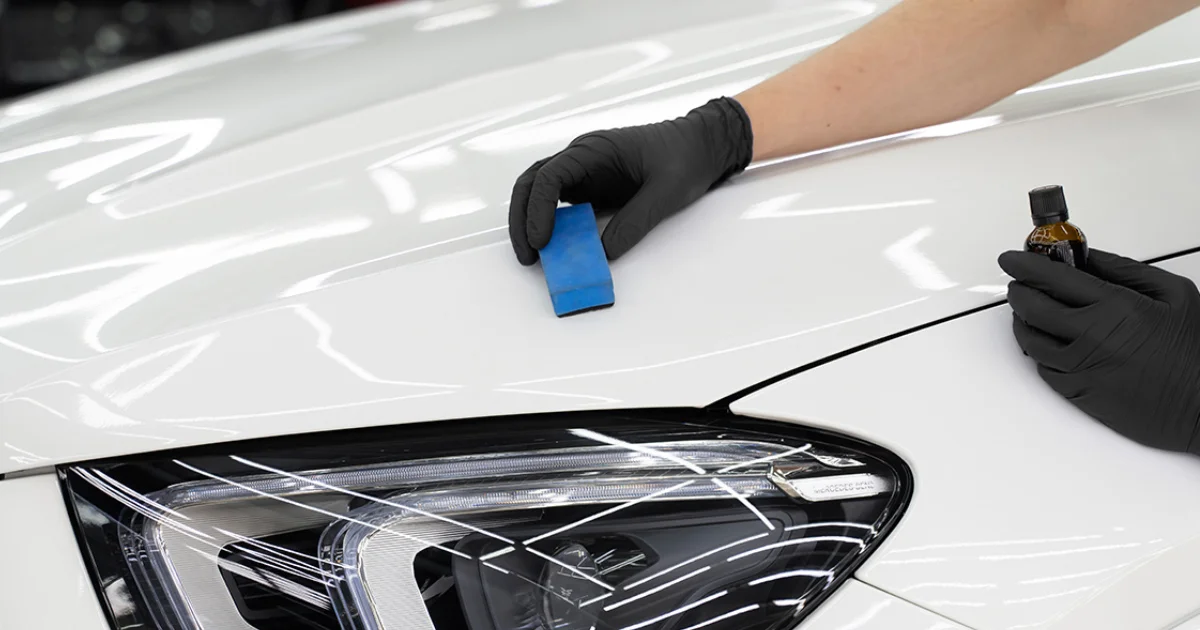

We wish our cars always looked as good as new after years of use! But, no. It doesn’t work like that. After a few years, fading paint, scratches, scuff marks, and corrosion deteriorate the original color and sheen of the paintwork. Is there a way to protect your car’s appearance? Of course! We live in an era of innovation and advancements where the automotive industry has undergone revolutionary changes, and engineers have discovered an incredible way to safeguard a car’s exterior.
Among diverse paint protection methods, car ceramic coating has acclaimed immense popularity across the globe. You may have even spotted cars with ceramic coatings but never recognized them. A ceramic coating proposes a seamless finish and is an excellent option to protect your car’s paintwork.
For all the newbies unaware of ceramic coatings, this blog is the ideal guide to answering your questions. You will learn everything you need to know about this wonder product.
Car ceramic coating is made of liquid polymer that chemically interacts with the car’s original paintwork to form a protective layer. It provides semi-permanent to permanent protection. Unlike other car protection films, ceramic coating is not applied on the surface level but on a molecular level. Therefore, it furnishes optimal protection and efficiency.
While wax coating offers only temporary shine and waterproof qualities,ceramic coating is much more durable and resistant to dust and water. When applied, car ceramic coating bonds with the car’s paint, filling in pores and scratches. As it cures, you get a hard and sturdy coating that enhances the longevity of your car’s paint.
Generally, the coating consists of silicon dioxide, which is naturally derived from sand and quartz. Often, titanium dioxide is added to boost the coating’s efficiency.
Now, why do car owners prefer ceramic coating over wax or other coatings? Let’s discuss it in the next section.
Car lovers are going gaga over ceramic coating, and we have many reasons for that!
Ceramic coating cost varies depending on the quality, durability, andcoverage. Nonetheless, it is an effective way to enhance your car’s aesthetics and safeguard it from surface damage.
Car wrapping has become an increasingly popular way for vehicle owners to change the appearance of their cars without the permanence of a paint job. But what exactly goes into the cost of car wrapping? In this blog, we'll dive into the factors that influence the price of car wrapping, helping you understand what to expect if you decide to give your car a fresh new look.
Car wrapping involves applying a vinyl film over the surface of your vehicle. This process allows for a variety of finishes, including matte, gloss, satin, and even custom designs. Unlike traditional paint, a car wrap can be removed without damaging the original paint, making it a versatile and reversible modification.
The cost of car wrapping can vary significantly based on several factors. Here are the key elements that influence the overall price:
To give you a general idea, here’s a rough estimate of car wrapping costs based on vehicle size and type:
These prices can vary depending on the factors mentioned earlier.
Car wrapping offers several advantages that can justify the cost:
Car wrapping can be a worthwhile investment for those looking to personalize their vehicle or protect its paint. The cost of car wrapping varies based on factors such as vehicle size, vinyl quality, design complexity, labor, surface preparation, and additional features. By understanding these factors, you can make an informed decision and choose a car wrapping service that fits your budget and needs. Whether you’re looking for a bold new look or subtle sophistication, car wrapping offers endless possibilities to transform your vehicle’s appearance.
When you roam the scenic streets of Rotorua, New Zealand, you'll notice many vehicles flaunting sleek window tints that not only add an air of mystery but also provide practical benefits. Car window tinting has become a popular choice for many motorists, offering privacy, reducing glare, and protecting the vehicle's interior from harmful UV rays. However, as appealing as window tinting may be, there are legal considerations that every car owner in Rotorua must be aware of before opting for this modification.
Car window tinting has been trending in Rotorua for the past few years. It's no wonder why so many car enthusiasts choose to tint their windows. The advantages are numerous:
While car window tinting offers various benefits, New Zealand has strict laws in place to regulate its usage. These laws are designed to ensure public safety and law enforcement's ability to monitor vehicles. Rotorua adheres to the national guidelines set forth by the New Zealand Transport Agency (NZTA) regarding permissible limits for window tinting.
Failing to adhere to the car window tinting laws in Rotorua can have serious consequences. If you're caught with illegal window tints, you may face fines, demerit points on your driver's license, and potentially have to remove the tints to comply with the law.
Car window tinting is undeniably an attractive and practical option for car owners in Rotorua. It not only enhances the aesthetics of the vehicle but also provides various benefits like privacy and solar protection. However, it's crucial to remember that there are legal restrictions in place to ensure road safety and visibility for all motorists. Dr. Tint & Wrap Rotorua stands out as the premier destination for top-notch car window tinting services, offering unmatched expertise and quality. As a responsible business, they prioritize adhering to all government regulations to ensure a safe and compliant tinting experience for their customers.
In the world of automotive care and detailing, ceramic coatings have gained immense popularity for their promise of providing long-lasting protection and a stunning, glossy finish for your vehicle. But is ceramic coating really worth the hype, and is it good for your car? Let's delve into the pros and cons of ceramic coatings to help you make an informed decision.
Yes, ceramic coating is highly effective in protecting your car's paint. It forms a strong, transparent layer on the surface of your vehicle that acts as a sacrificial barrier against various environmental contaminants. This includes dirt, bird droppings, tree sap, UV rays, and harsh weather conditions. The coating provides a durable shield that helps prevent oxidation and fading, keeping your car's paint looking glossy and vibrant for an extended period.
While ceramic coatings do offer a higher level of scratch resistance compared to unprotected paint, they are not completely scratch-proof. The coating can withstand light scratches and swirl marks, providing an additional layer of protection. However, it is important to note that heavy or deep scratches can still occur, and it's advisable to avoid abrasive materials during cleaning to minimize the risk of scratches.
The longevity of ceramic coating depends on various factors, including the quality of the product, application technique, and the maintenance of the vehicle. Generally, a professionally applied ceramic coating can last anywhere from one to five years. Regular maintenance, such as washing the car with pH-neutral soaps and avoiding abrasive cleaning methods, can help extend the lifespan of the coating.
The cost of the ceramic coating varies depending on factors such as the product used, the size of the vehicle, and whether it's applied by a professional. While it is a significant upfront investment, many car owners find it worthwhile for the long-term benefits. The enhanced protection, ease of maintenance, and prolonged aesthetic appeal of the car can make ceramic coating a valuable investment for those who prioritize the appearance and longevity of their vehicle's paint.