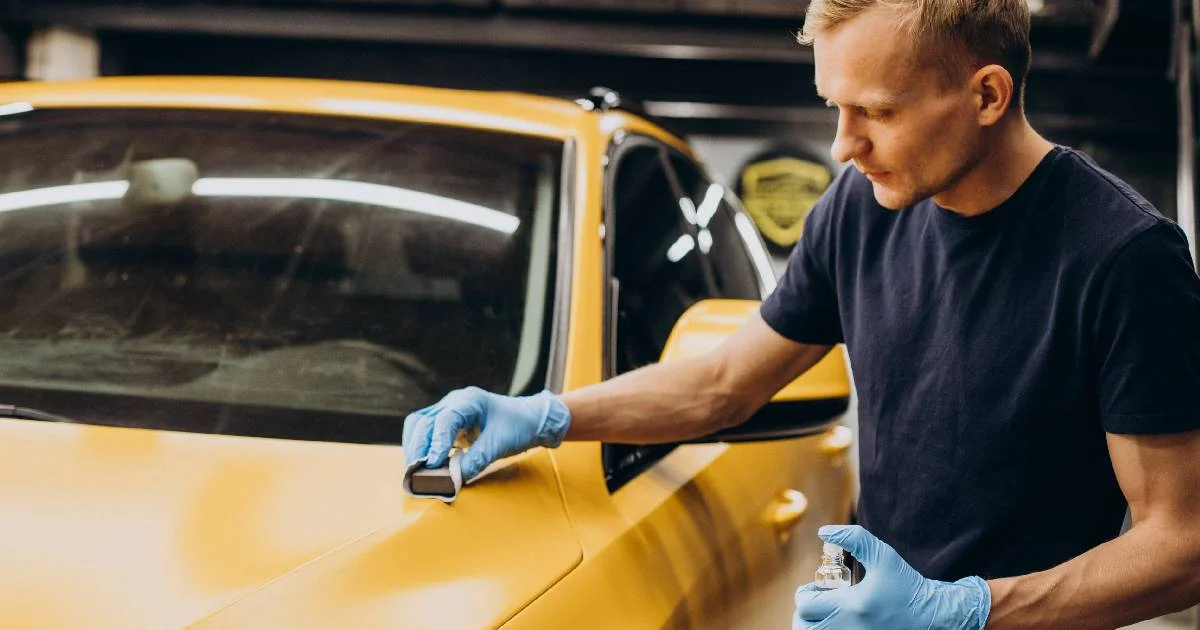
In the world of automotive care and detailing, ceramic coatings have gained immense popularity for their promise of providing long-lasting protection and a stunning, glossy finish for your vehicle. But is ceramic coating really worth the hype, and is it good for your car? Let's delve into the pros and cons of ceramic coatings to help you make an informed decision.
Yes, ceramic coating is highly effective in protecting your car's paint. It forms a strong, transparent layer on the surface of your vehicle that acts as a sacrificial barrier against various environmental contaminants. This includes dirt, bird droppings, tree sap, UV rays, and harsh weather conditions. The coating provides a durable shield that helps prevent oxidation and fading, keeping your car's paint looking glossy and vibrant for an extended period.
While ceramic coatings do offer a higher level of scratch resistance compared to unprotected paint, they are not completely scratch-proof. The coating can withstand light scratches and swirl marks, providing an additional layer of protection. However, it is important to note that heavy or deep scratches can still occur, and it's advisable to avoid abrasive materials during cleaning to minimize the risk of scratches.
The longevity of ceramic coating depends on various factors, including the quality of the product, application technique, and the maintenance of the vehicle. Generally, a professionally applied ceramic coating can last anywhere from one to five years. Regular maintenance, such as washing the car with pH-neutral soaps and avoiding abrasive cleaning methods, can help extend the lifespan of the coating.
The cost of the ceramic coating varies depending on factors such as the product used, the size of the vehicle, and whether it's applied by a professional. While it is a significant upfront investment, many car owners find it worthwhile for the long-term benefits. The enhanced protection, ease of maintenance, and prolonged aesthetic appeal of the car can make ceramic coating a valuable investment for those who prioritize the appearance and longevity of their vehicle's paint.
You’re cruising down a long, smooth highway, taking in the scenic beauty all around you. Suddenly, a sleek black sedan zooms by, catching your eye with its dark, mysterious window tints. The striking contrast between the deep black glass and the shining car body leaves you a bit envious—there’s something undeniably captivating about those dark tints.
Let’s be honest: dark tints give any car a bold, impressive look. Beyond their aesthetic appeal, they also offer practical benefits like protecting passengers from the sun and keeping the interior cool. However, it’s important to remember that there are specific regulations in New Zealand regarding the use of dark tints on vehicles, enforced by the New Zealand Transport Agency and the Ministry of Transport. These regulations must be followed to ensure your car stays road legal.
In this guide, we’ll cover everything you need to know about shaded car window tints, including the legal requirements in New Zealand. We’ll also show you how to have these dark tints installed on your car, legally and expertly.
At AutoExpert.co.nz, we are specialists in shaded car window tinting with over 8 years of experience. When it comes to ensuring that your car’s tints are both stylish and compliant with legal standards, AutoExpert is the name you can trust.
To achieve the best and darkest legal tint for your vehicle, visit our studio. Our experts will guide you through the process, helping you choose the perfect tint to transform your car.
Curious about what makes AutoExpert stand out? Learn more about us here, where you'll also find our contact details and location.
Now, let’s dive into the rules and regulations surrounding window tinting in New Zealand and find out what the darkest legal tint is.
Dark tints can make a vehicle look sleek and imposing, but there are good reasons for the legal restrictions on their use.
One of the main concerns is visibility. Once windows are heavily tinted, the interior of the vehicle becomes obscured, which could be exploited by individuals with ill intent, making it difficult for law enforcement to see inside the vehicle.
To prevent such issues, New Zealand has established clear rules for the use of dark tints.
These regulations don’t just apply to windows; there are also restrictions on tinting headlights. According to the New Zealand Transport Agency, it’s illegal to apply tint to headlights or lamps, except for decorative purposes.
The darkness of shaded car window tints is measured by Visual Light Transmittance (VLT).
VLT refers to the amount of light that can pass through the tinted windows. A higher VLT percentage means more light passes through, indicating a lighter tint, while a lower VLT percentage means less light passes through, indicating a darker tint.
To better understand the legal requirements, let’s take a closer look at the classification of passenger vehicles.
The New Zealand Transport Authority categorizes vehicles based on factors like size, power, and seating capacity.
Other classifications include MD (light omnibus), ME (heavy omnibus), goods vehicles, and trailers, each with further sub-categories based on weight, capacity, and usage.
The most accurate way to check if your window tint complies with NZ laws is by using a calibrated VLT meter, available at our studio. This device measures the exact VLT of the tint, ensuring it fully complies with the regulations set by the New Zealand Transport Agency and the Ministry of Transport.
We also recommend placing a sticker on the windshield that indicates the VLT level of the installed tints, which can help speed up inspections. While not mandatory, this sticker can make the process smoother.
For a more detailed understanding of legal tinting regulations, you can visit the Ministry of Transport’s website: Land Transport Rule: Glazing, Windscreen Wipe and Wash, and Mirrors Rule 1999.
Dark tints on car windows are not only stylish but also provide privacy and protection from the sun. However, they can also be misused, which is why strict regulations are in place.
At Dr. Tint, we have experience in installing top-quality dark tints that are both stylish and fully compliant with all legal requirements.
Consult with us today and give your car the perfect makeover with our expert tinting services!
Book Now
Office window tinting is a valuable investment that can enhance the aesthetics, comfort, and energy efficiency of your workspace. Whether you're looking to reduce glare, improve privacy, or enhance the overall appearance of your office, choosing the right window tint is crucial. In this comprehensive guide, we'll explore the key factors to consider when selecting office window tinting to ensure you make an informed decision that aligns with your business needs.
Before diving into the world of window tint options, it's essential to identify the specific purposes for which you want to apply tint to your office windows. Common objectives include: Glare Reduction: Tints can minimize glare from the sun, creating a more comfortable working environment by reducing eye strain and distractions. Privacy Enhancement: Certain tints provide one-way visibility, allowing those inside the office to see out while preventing outsiders from peering in. Energy Efficiency: Window films can help regulate the temperature within your office, reducing the need for excessive air conditioning and heating. UV Protection: Tints can block harmful UV rays, protecting furniture, flooring, and equipment from fading and damage.
Solar Control Films: These tints are designed to reduce heat and glare from the sun, promoting a more comfortable and energy-efficient workspace. Privacy Films: Ideal for meeting rooms or areas requiring confidentiality, privacy films can obstruct the view from the outside while maintaining visibility from within. Decorative Films: If aesthetics are a priority, decorative films come in various patterns and designs to enhance the visual appeal of your office. Safety and Security Films: These films add an extra layer of protection by holding shattered glass together, improving safety in the event of breakage.
Office window tinting offers several benefits, including improved energy efficiency, reduced glare, enhanced privacy, and protection against harmful UV rays. Tinted windows can create a more comfortable and productive work environment for employees.
Several factors should influence your decision, such as the type of film, level of tint, local regulations, and your specific needs. Consider factors like the amount of natural light you want, the level of privacy required, and the aesthetic appeal of the tint.
A: There are various types of window tint films designed for different purposes. Some common types include solar control films, privacy films, decorative films, and safety/security films. Solar control films are popular for reducing heat and glare, while privacy films can enhance confidentiality within the office.
Window tinting can significantly improve energy efficiency by reducing the heat entering the office space. Solar control films, in particular, can block a considerable amount of heat, helping to maintain a comfortable temperature and reducing the need for excessive air conditioning.
Yes, local regulations may govern the permissible level of tint for commercial buildings. It's crucial to check with local authorities to ensure compliance with tinting laws. Non-compliance could result in fines or the need to remove the tint.
Yes, many window tint films are designed to block a significant percentage of harmful UV rays. This not only protects employees from potential health issues but also helps prevent furniture and interior elements from fading due to prolonged exposure to sunlight.
The level of tint you choose depends on your specific needs. If glare reduction and heat rejection are top priorities, a darker tint with a higher Solar Heat Gain Coefficient (SHGC) may be suitable. If maintaining a more open and bright environment is crucial, a lighter tint with lower SHGC may be preferred.
Yes, certain types of window tint films, such as safety/security films, are designed to reinforce glass, making it more resistant to breakage. This can enhance the security of your office space by providing an additional layer of protection against forced entry or accidents.
Cleaning tinted windows requires gentle care to avoid damaging the film. Use a mild soapy solution and a soft cloth or sponge for cleaning. Avoid abrasive materials or harsh chemicals, as these can scratch or damage the tint.
The lifespan of window tinting can vary depending on factors such as the quality of the film, installation, and environmental conditions. High-quality films, when professionally installed, can last for many years. It's essential to follow the manufacturer's recommendations for maintenance and care to extend the lifespan of the tint. Choosing the right window tint for your office involves considering various factors to ensure it meets your specific requirements. Whether it's improving energy efficiency, enhancing privacy, or adding a decorative touch, the right office window tint can contribute to a more comfortable and productive workspace.
Every car owner in Hamilton knows the thrill of driving down the scenic streets, from the picturesque waterfront to the bustling city center. Your car isn't just a means of transportation; it's a reflection of your style and personality. However, the roads in Hamilton can be tough on your vehicle's paint, with debris, harsh weather, and everyday wear and tear taking a toll. This is where Paint Protection Film (PPF) comes to the rescue. In this comprehensive guide, we'll explore how Paint Protection Film in Hamilton can help you preserve your car's shine and keep it looking like new.
Paint Protection Film, often referred to as clear bra or PPF, is a durable and transparent film that is applied to the exterior surfaces of your vehicle, especially vulnerable areas such as the hood, front bumper, side mirrors, and door edges. This innovative technology is designed to provide a shield against various elements that can damage your car's paint, including:
Long-Lasting Protection: Investing in Paint Protection Film is like giving your car a suit of armor. Its self-healing properties allow it to "heal" minor scratches and swirl marks when exposed to heat, ensuring your car stays flawless.
Preserves Resale Value: A well-maintained exterior significantly boosts your car's resale value. PPF safeguards your car's finish, keeping it in pristine condition and appealing to potential buyers.
When it comes to installing Paint Protection Film, it's essential to rely on professionals who understand the intricacies of the process. In Hamilton, you'll find several reputable auto shops that specialize in PPF installation. They'll carefully measure, cut, and apply the film to ensure a seamless and effective protective layer.
Maintenance Tips While Paint Protection Film is designed to withstand a lot, a little maintenance can go a long way in ensuring its longevity:
Protecting your car's finish doesn't have to be a constant battle against road hazards and the elements. With Paint Protection Film in Hamilton, you can drive confidently knowing that your vehicle's shine is preserved. By investing in this advanced technology, you're not only safeguarding your car's appearance but also enhancing its value and prolonging its lifespan. So, whether you're cruising along the Waikato River or exploring the city's vibrant neighbourhoods, Paint Protection Film ensures that your car stays as stunning as the day you drove it off the lot. Dr. Tint & Wrap stands out as Hamilton's premier destination for top-notch Paint Protection Film (PPF) services, combining expert craftsmanship with cutting-edge technology to provide unparalleled protection for your vehicle's paint. With a reputation for excellence and a commitment to customer satisfaction, they are the go-to choice for preserving your car's shine in the bustling city.