Owning a car is more than just a mode of transportation – it's a reflection of your personality and a source of pride. Whether you have a brand-new luxury vehicle or a trusted companion that has seen its fair share of adventures, maintaining its appearance is essential. This is where Paint Protection Film (PPF) steps in as the modern-day armor for your beloved automobile.
In the not-so-distant past, car owners relied on waxing and polishing to preserve the shine and finish of their vehicles. However, the automotive industry has seen remarkable advancements, and the introduction of Paint Protection Film has transformed the way we care for our cars.
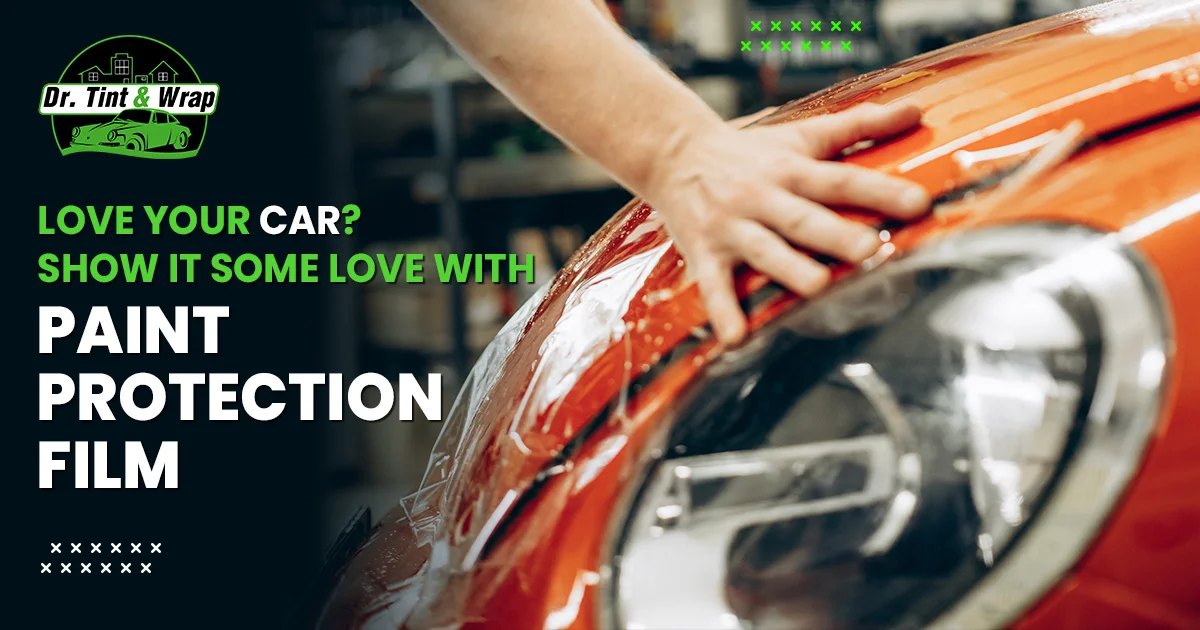
Paint Protection Film, often referred to as clear bra, is a transparent, ultra-thin polyurethane film that is meticulously applied to the exterior surfaces of a vehicle. This film acts as a shield, protecting the car's paintwork from various forms of damage that it encounters on the road.
1. Guard against Scratches and Chips: Gravel, rocks, road debris, and even minor accidental brushes can leave unsightly scratches and chips on your car's paint. PPF acts as a sacrificial layer, absorbing the impact and preventing these damages from reaching your car's finish.
2. Preserve the Paint's Gloss:PPF is designed to resist yellowing and clouding over time, ensuring that your car's shine remains intact for years. This allows you to retain that 'just out of the showroom' appearance, enhancing the resale value of your vehicle.
3. UV Radiation and Chemical Resistance: The sun's harmful UV rays and environmental contaminants can cause fading and damage to your car's paint. PPF offers protection against these elements, maintaining the vibrancy of your vehicle's color.
4. Self-Healing Properties: Some advanced PPF formulations have self-healing properties. Minor scratches and swirls on the film disappear when exposed to heat, maintaining a flawless appearance.
Installation Process
The installation of Paint Protection Film requires skill and precision. Trained professionals apply the film using a combination of heat and specialized tools to ensure a seamless and invisible finish. While it's possible to install PPF yourself, it's recommended to seek professional assistance for the best results.
Caring for a car with Paint Protection Film is relatively straightforward. Regular washing and detailing routines can be continued as usual. Opt for gentle cleaning products and techniques to ensure the longevity of the film's appearance.
In a world where appearances matter, Paint Protection Film emerges as a modern solution for car enthusiasts and everyday drivers alike. Its ability to shield against the rigors of the road while preserving your car's aesthetics is a testament to the advancements in automotive care. So, if you love your car, why not show it some love by investing in the ultimate form of protection – Paint Protection Film. Your car will thank you with a brilliant and ageless shine that turns heads wherever you go. Dr. Tint & Wrap is your premier destination for top-tier Paint Protection Film (PPF) services, ensuring your vehicle's pristine finish remains untouched by road hazards and wear. With expert installation and a commitment to preserving your car's allure, Dr. Tint & Wrap takes automotive protection to the next level.
Owning a car is more than just a mode of transportation – it's a reflection of your personality and a source of pride. Whether you have a brand-new luxury vehicle or a trusted companion that has seen its fair share of adventures, maintaining its appearance is essential. This is where Paint Protection Film (PPF) steps in as the modern-day armor for your beloved automobile.
In the not-so-distant past, car owners relied on waxing and polishing to preserve the shine and finish of their vehicles. However, the automotive industry has seen remarkable advancements, and the introduction of Paint Protection Film has transformed the way we care for our cars.
Paint Protection Film, often referred to as clear bra, is a transparent, ultra-thin polyurethane film that is meticulously applied to the exterior surfaces of a vehicle. This film acts as a shield, protecting the car's paintwork from various forms of damage that it encounters on the road.
1. Guard against Scratches and Chips: Gravel, rocks, road debris, and even minor accidental brushes can leave unsightly scratches and chips on your car's paint. PPF acts as a sacrificial layer, absorbing the impact and preventing these damages from reaching your car's finish.
2. Preserve the Paint's Gloss:PPF is designed to resist yellowing and clouding over time, ensuring that your car's shine remains intact for years. This allows you to retain that 'just out of the showroom' appearance, enhancing the resale value of your vehicle.
3. UV Radiation and Chemical Resistance: The sun's harmful UV rays and environmental contaminants can cause fading and damage to your car's paint. PPF offers protection against these elements, maintaining the vibrancy of your vehicle's color.
4. Self-Healing Properties: Some advanced PPF formulations have self-healing properties. Minor scratches and swirls on the film disappear when exposed to heat, maintaining a flawless appearance.
Installation Process
The installation of Paint Protection Film requires skill and precision. Trained professionals apply the film using a combination of heat and specialized tools to ensure a seamless and invisible finish. While it's possible to install PPF yourself, it's recommended to seek professional assistance for the best results.
Caring for a car with Paint Protection Film is relatively straightforward. Regular washing and detailing routines can be continued as usual. Opt for gentle cleaning products and techniques to ensure the longevity of the film's appearance.
In a world where appearances matter, Paint Protection Film emerges as a modern solution for car enthusiasts and everyday drivers alike. Its ability to shield against the rigors of the road while preserving your car's aesthetics is a testament to the advancements in automotive care. So, if you love your car, why not show it some love by investing in the ultimate form of protection – Paint Protection Film. Your car will thank you with a brilliant and ageless shine that turns heads wherever you go. Dr. Tint & Wrap is your premier destination for top-tier Paint Protection Film (PPF) services, ensuring your vehicle's pristine finish remains untouched by road hazards and wear. With expert installation and a commitment to preserving your car's allure, Dr. Tint & Wrap takes automotive protection to the next level.
Considering giving your car a fresh look? Wrapping cars might be the solution you're seeking. With a plethora of colors and designs to choose from, and the option to customize your own, personalizing your car has never been more convenient. However, before you invest your money - and potentially your time, especially if you're inclined to try it yourself - let's delve into the advantages and disadvantages of wrapping cars.
The choice of materials and the application technique you adopt play crucial roles in determining the final outcome of your car wrap. To provide you with a comprehensive understanding, we, along with insights from our Chips Away technicians, aim to outline all the positive and negative aspects associated with wrapping cars.
Now a well-wrapped car can fool most onlookers
You receive the quality commensurate with your investment.
Not all wraps are made equal," emphasizes Steve Perkins, a ChipsAway specialist covering the Hartlepool area. If you're contemplating wrapping your car on a budget, it's crucial to recognize that the quality of the wrap correlates directly with the cost. Opting for a do-it-yourself approach with a cheap wrap might seem like a cost-saving strategy, but it often results in a less satisfactory finish compared to trade wraps or those known for their superior quality.
Steve, who describes himself as a novice in the wrapping realm, points out that "[a] trade quality product is often quite amenable to self-healing." This implies that with gentle heat, minor scratches, and even holes can "melt" away, allowing the wrap to "self-heal." This advantageous feature is not always present in lower-quality products, underscoring the importance of considering the potential drawbacks when contemplating a home kit instead of seeking professional expertise.
Home Window Tinting is a process where a thin film is applied to the windows of a residence to reduce the amount of visible light, UV rays, and heat that enters the interior. This tinting film is typically made of polyester and can come in various shades. The primary purpose is to enhance privacy and security by limiting the view into your home from the outside.
Home Window Tinting provides an additional layer of privacy by obstructing the view into your home. It allows you to enjoy natural light without compromising your privacy, making it difficult for outsiders to see the interiors of your house. This is especially beneficial for ground-level windows and homes in close proximity to neighbors or busy streets.
Absolutely! One of the significant benefits of Home Window Tinting is its ability to block a significant portion of harmful UV rays. This not only helps in safeguarding your skin from potential damage but also prevents fading and deterioration of your furniture, flooring, and other belongings due to prolonged exposure to sunlight.
Home Window Tinting can help regulate the temperature inside your home by reducing the amount of heat that enters through the windows. This means less reliance on air conditioning during hot days, resulting in energy savings. It acts as an insulator, keeping your home cooler in the summer and warmer in the winter, thus contributing to overall energy efficiency.
Yes, there are various types of Home Window Tinting films available. These include reflective, dyed, and ceramic films. Reflective films are excellent for blocking heat, while dyed films are more for privacy. Ceramic films, on the other hand, offer a good balance between heat rejection and maintaining natural light.
Home Window Tinting enhances security by adding an extra layer of protection to your windows. The film makes it more difficult for burglars to see inside your home, making it less likely that they will attempt a break-in. Additionally, the film can hold shattered glass together in case of breakage, reducing the risk of injury and making it harder for intruders to gain access.
Home Window Tinting is relatively low maintenance. Cleaning the tinted windows is similar to cleaning regular windows—mild soapy water and a soft cloth are usually sufficient. However, abrasive cleaning materials should be avoided to prevent damage to the tinting film. Regular cleaning helps maintain the effectiveness and appearance of the tinting over time.
Enhancing privacy and security through Home Window Tinting is a practical and effective solution for homeowners, offering a range of benefits beyond just aesthetic appeal. By considering the type of tinting film and hiring professionals for installation, you can create a more comfortable and secure living environment for your family.
In conclusion, home window tinting is a versatile solution that offers a range of benefits beyond aesthetics. From enhancing privacy and security to protecting against UV rays and improving energy efficiency, the advantages are numerous. Consider investing in home window tinting to create a secure, comfortable, and energy-efficient living space that aligns with the demands of the modern world. Take the first step towards transforming your home into a haven of privacy and security by exploring the possibilities of home window tinting today.