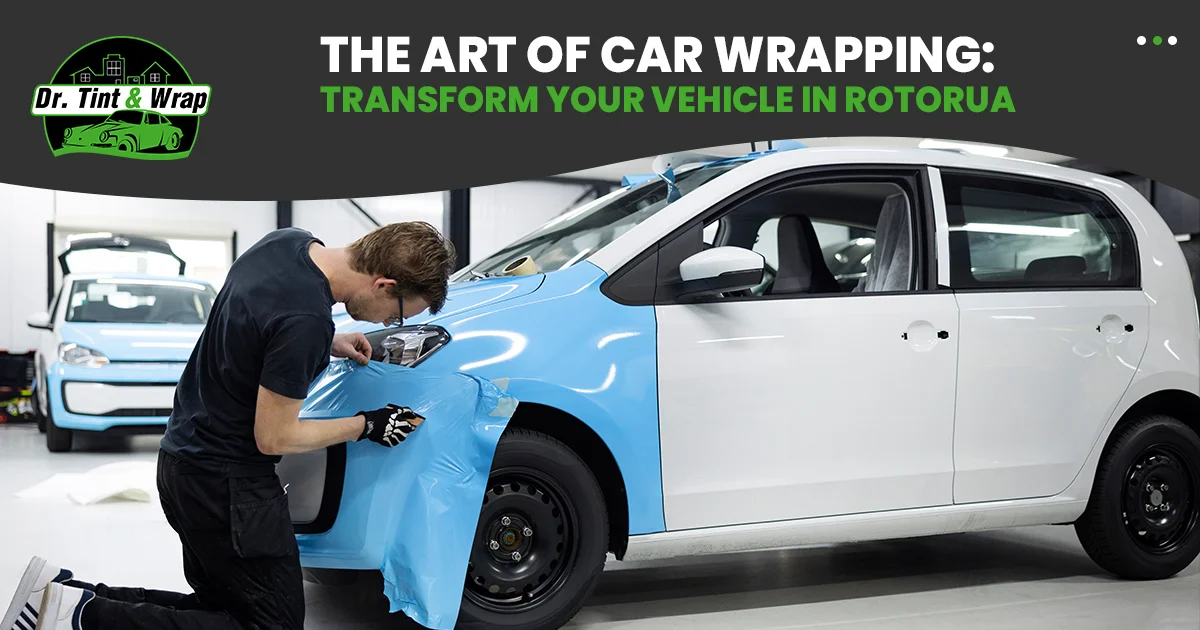
In the picturesque city of Rotorua, nestled on New Zealand's North Island, there exists a thriving subculture that has taken the automotive world by storm – car wrapping. This innovative and artistic method of vehicle enhancement has become increasingly popular in Rotorua, offering car owners a unique opportunity to express themselves and redefine the aesthetics of their vehicles. Welcome to the world of "Car Wrapping in Rotorua."
Car wrapping is an exciting and transformative process that involves applying a specialized vinyl film to the exterior of your vehicle. This vinyl film is meticulously crafted to adhere seamlessly to your car's contours, creating a second skin that can entirely change its appearance. Whether you're looking to refresh your car's look, protect its original paint, or stand out in the crowd, car wrapping in Rotorua can provide the solution you've been seeking.
Rotorua, renowned for its stunning natural landscapes, geothermal wonders, and vibrant Maori culture, is also home to a growing community of car enthusiasts and style-conscious individuals. Car wrapping has found a special place in the hearts of Rotorua residents for several compelling reasons:
1. Expressing Individuality: In a city celebrated for its uniqueness, Rotorua residents are embracing car wrapping as a means of expressing their individuality. With a plethora of color options, finishes, and custom designs, car wrapping allows vehicle owners to make a personal statement on the streets of Rotorua.
2. Protection in Rotorua's Climate: Rotorua experiences a mix of climates, from sunny summers to damp winters. Car wrapping offers an added layer of protection against the elements, preserving your car's original paint and finish from the effects of sun, rain, and road debris.
3. Advertisement and Branding: For local businesses in Rotorua, car wrapping has become an innovative advertising tool. Eye-catching vehicle wraps serve as mobile billboards, promoting their services and brands as they travel the city's roads and highways.
.4. Resale Value: Car wrapping is a reversible process, making it an attractive option for those concerned about resale value. When it's time to sell, you can remove the wrap to reveal the well-preserved factory finish beneath.
5. Endless Possibilities: Car wrapping is a versatile art form, limited only by imagination. From sleek matte finishes to striking metallic colors, intricate patterns, and even corporate branding, the possibilities are as diverse as Rotorua's cultural tapestry.
As you delve deeper into the world of "Car Wrapping in Rotorua," you'll discover that it's not just about changing the look of your vehicle; it's about embracing creativity, protecting your investment, and making a statement in a city that celebrates individuality.
In the upcoming articles, we will explore the various facets of car wrapping in Rotorua, from the wide range of design options to the benefits it offers in different seasons. Whether you're a car enthusiast, a business owner, or simply someone seeking a unique way to enhance your vehicle, car wrapping in Rotorua promises an exciting journey of transformation and self-expression. Stay tuned for more insights, tips, and inspirations from the world of car wrapping right here in Rotorua.
When it comes to home window tinting, there's more to it than just adding an extra layer of privacy and style to your living space. The latest trends and options in home window tinting offer a wide range of benefits, from improved energy efficiency to enhanced security and UV protection. In this blog, we'll explore the latest trends and options to help you choose the right window tint for your home.
Before diving into the latest trends and options, let's quickly touch on why home window tinting is a worthwhile investment. Tinting your windows offers numerous advantages:
Now, let's explore the latest trends and options in home window tinting.
1. Decorative Window Films
One of the newest trends in home window tinting is decorative window films. These films come in various patterns, textures, and colors, allowing you to add a touch of personality to your windows. Whether you prefer a frosted, stained glass, or custom design, decorative window films can transform your windows into a work of art. They are also a great choice for adding privacy without sacrificing style.
2. Smart Tinting Technology
As technology advances, so does window tinting. Smart tinting technology, also known as switchable or electrochromic glass, allows you to control the level of tint with the push of a button. This innovative option is perfect for those who want to balance natural light with privacy. Smart tinting technology can be integrated into your home's automation system, making it even more convenient.
3. Heat-Reflective Films
In regions with hot summers, heat-reflective window films have become increasingly popular. These films are designed to reduce solar heat gain, keeping your home cooler and more comfortable. By minimizing the need for excessive air conditioning, heat-reflective films can also help lower your energy bills.
4. Safety and Security Films
Security window films provide an added layer of protection for your home. These films are designed to make the glass more shatter-resistant, which can deter intruders and protect your family in case of accidents or extreme weather conditions. Additionally, security films are often combined with solar-control features, providing a dual benefit of safety and energy efficiency.
5. UV-Blocking Films
UV-blocking films are an essential choice for homeowners concerned about protecting their furniture and flooring from the harmful effects of ultraviolet rays. These films can block up to 99% of UV radiation while allowing visible light to pass through. This option is not only practical but also essential for preserving the longevity of your interior decor.
6. Choosing the Right Window Tint
Selecting the right window tint for your home involves considering your specific needs, climate, and personal preferences. Here are a few tips to help you make an informed decision:
In conclusion, home window tinting is a versatile and practical solution that offers a wide range of benefits. Whether you're looking for added privacy, energy efficiency, UV protection, or decorative options, there's a window tint that suits your needs. Keep up with the latest trends and consult with professionals to make the right choice for your home. With the right window tint, you can enhance the comfort, style, and security of your living space.
Car wrapping has become an increasingly popular method for vehicle customization, allowing car owners to express their style and protect their vehicles' original paint. However, like any automotive enhancement, car wrapping is not a permanent solution. In this blog, we'll delve into the factors that influence the longevity of car wrapping and answer the burning question: How long does car wrapping last?
Car wrapping involves applying a thin, adhesive vinyl film to the exterior of a vehicle. This vinyl can come in various colors, patterns, and finishes, providing car owners with a versatile and cost-effective alternative to traditional paint jobs. Car wrapping is known for its ability to protect a vehicle's paint from scratches, stone chips, and other environmental damage while allowing for easy removal or color changes.
Car wrapping longevity depends on various factors.
Signs that a car wrap may need a replacement include:
The cost of replacing a car wrap depends on various factors, including the size of the vehicle, the complexity of the wrap design, and the quality of materials used. On average, you can expect to pay a few thousand dollars for a full wrap replacement.
Car tint is a thin film applied to vehicle windows that helps control the amount of light and heat entering the car's interior. Available in various shades and levels of darkness, car tint offers a range of benefits, including increased privacy, UV protection, and heat reduction. It can reduce glare, shield upholstery and interior surfaces from sun damage, and improve energy efficiency. Additionally, tinted windows can enhance a vehicle's appearance and safety by providing extra shatter resistance in case of an accident. However, it's important to be aware of and comply with local car tinting laws and regulations to avoid fines or penalties.
Car tinting offers several advantages for vehicle owners in New Zealand. A major benefit is improved privacy, as tinted windows make it harder for others to see inside the vehicle, which is particularly useful for those who keep valuables in their car.
Another advantage is reduced glare. Tinted windows cut down on the amount of sunlight entering the vehicle, minimizing glare and creating a more comfortable driving experience, especially on sunny days or for those with sensitive eyes.
Car tinting also provides enhanced UV protection. By blocking harmful UV rays, car tint helps protect both skin and eyes from sun damage. This is especially important in New Zealand, where high UV levels contribute to elevated skin cancer rates.
Additionally, tinted windows improve comfort by regulating the vehicle's interior temperature. By reducing heat buildup, car tint decreases reliance on air conditioning, which can enhance fuel efficiency.
Finally, car tinting boosts a vehicle's aesthetic appeal. It adds a sleek, sophisticated look to any car, from station wagons to sports cars, with various shades and styles available to match individual preferences and vehicle types.
In summary, car tinting in New Zealand offers enhanced privacy, reduced glare, increased UV protection, improved comfort, and an upgraded appearance, making it a popular choice among vehicle owners.
Several factors can affect the cost of car tinting in New Zealand. One of the primary considerations is the size of the vehicle and the number of windows to be tinted. Larger vehicles, such as SUVs or vans, generally require more materials and labor, leading to higher costs. The type and quality of the tinting film also play a significant role in pricing. Standard tints are typically more affordable, while high-performance ceramic films, known for their superior heat and UV-blocking properties, are more expensive. The desired darkness or level of tint can also influence the cost, as darker tints may require additional layers. Additionally, the reputation and expertise of the tinting service provider can impact the price. Choosing a reputable, experienced professional may cost more but ensures high-quality installation without defects or damage. Considering these factors can help car owners make informed decisions and find a balance between their budget and the desired benefits of car tinting.
Car tinting involves applying a thin, transparent film to vehicle windows. In New Zealand, various types of car tint are available to suit different needs and preferences, each offering distinct characteristics and benefits:
When choosing the right car tint film for your vehicle, consider factors such as heat rejection, UV protection, visibility, and your personal preferences. Consulting with a professional window tinting service can help you select the best option for your needs.
The cost of car tinting is significantly influenced by the size of your vehicle's windows. Larger windows, such as rear windshields, typically involve higher expenses due to the need for more tinting film and increased labor. The greater surface area requires additional materials and more time to apply the film properly.
Smaller windows, on the other hand, need less film, which can lead to lower costs. The complexity of applying tint to larger windows, which often involves more meticulous work to ensure complete coverage, also contributes to higher costs.
When budgeting for car tinting, consider the size of your vehicle's windows. Larger windows, especially rear windshields, generally result in higher costs due to the increased material and labor required. For an accurate estimate based on your vehicle and window sizes, it's best to consult with a professional tinting service.
The number of windows to be tinted varies depending on the size and type of the vehicle. Smaller vehicles, like sedans and hatchbacks, typically have a standard set of four windows: the front and rear side windows, and the rear windshield.
Larger vehicles, such as SUVs, vans, and station wagons, often have additional windows, including rear side windows and extra windows found in passenger vans. Tinting all windows enhances privacy and security, especially for larger vehicles, by making it more difficult for potential thieves to see inside and assess the value of items left in the car.
Tinting also provides optimal UV protection and reduces glare, protecting the vehicle’s interior from fading and decreasing the risk of skin damage. Additionally, it improves driving comfort by reducing glare from the sun.
In summary, the number of windows to be tinted depends on the vehicle's size and type. Tinting all windows offers benefits like increased privacy, enhanced security, UV protection, and glare reduction.
The quality of window film is influenced by several factors. One key aspect is whether the film comes with a manufacturer's warranty, which ensures that the film meets certain standards and will perform as expected.
Another important factor is the optical clarity of the film. High-quality films should provide excellent visibility both during the day and at night, whereas poor-quality films may distort the view, potentially affecting driving safety.
It’s also crucial to consider any allowable modifications. Some films may offer options for additional tinted overlays, enhancing privacy and aesthetics. However, it’s important to ensure that any modifications comply with local legal restrictions.
Understanding the legal regulations regarding window tinting is essential, as different regions may have specific laws governing the darkness of tints. Adhering to these regulations helps avoid fines and ensures safe vehicle operation.
In summary, the quality of window film is determined by factors such as the manufacturer's warranty, clarity, and allowable modifications. Choosing high-quality films that offer clear visibility and comply with legal standards ensures a safe and enjoyable driving experience.
The car tinting installation process involves several steps, and labor costs can vary based on vehicle size and the number of windows. The process starts with thoroughly cleaning the windows to create a smooth surface for the tint.
Next, the tint film is precisely measured and cut to fit each window. Accurate cutting is crucial for a proper fit. The film is then carefully applied to the inside of the windows, with a professional installer ensuring that any wrinkles or air bubbles are removed for a seamless finish.
Labor costs typically reflect the time and expertise required for installation. Larger vehicles with more windows generally require more labor, resulting in higher costs.
For an accurate quote based on your vehicle and window requirements, it's advisable to consult with a reputable car tinting service.
In New Zealand, window tinting must adhere to specific legal restrictions to ensure road safety. The New Zealand Transport Agency (NZTA) regulates the darkness of window tints through Visible Light Transmission (VLT) percentages. For front-side windows and windshields, the law requires a minimum of 35% VLT, meaning that at least 35% of visible light must pass through. Rear side windows and rear windshields also have a minimum VLT of 35% or darker, though these percentages are not cumulative. Reflective tints are prohibited.
To avoid fines and ensure compliance with New Zealand’s window tinting laws, vehicle owners should follow these regulations closely. Consulting a professional tinting service can help ensure that your vehicle meets legal requirements.
In New Zealand, Visible Light Transmittance (VLT) regulations vary for passenger vehicles and vans:
To ensure compliance with these regulations, glazing markings are often used on window films. These markings indicate the VLT percentage, making it easier for drivers and law enforcement to verify compliance.
Adhering to VLT requirements not only ensures legal compliance but also enhances driving comfort by reducing glare and providing UV protection while maintaining sufficient visibility for the driver.
Sun visors are designed to block direct sunlight and reduce glare, but tinting them is not recommended. Tinting can impair their function, which is to provide clear and unobstructed visibility.
Rear view mirrors must remain unaffected by window tinting to ensure they provide a clear reflection of the road behind. Tinting the windshield can impact the mirror’s effectiveness and the overall visibility of other vehicles.
In New Zealand, tinting on the front windscreen is restricted to a narrow strip along the top, known as a sun visor band. This strip must be no wider than 10 centimeters and cannot extend below the AS1 line marked on the glass.
Additionally, rear view mirrors and other accessories, such as radio antennas or demister units, should not be obstructed by modifications. Glazing markings on window film help verify that VLT requirements are met, ensuring safety and compliance.
In summary, when tinting car windows, consider the functionality of sun visors, rear view mirrors, and windshields. Adhering to legal requirements for these components, using glazing markings, and choosing a reputable tint installer will ensure compliance with regulations and maintain safe driving conditions.
When selecting car tinting products in New Zealand, there are various options to suit different needs and preferences. Each type of tint offers unique benefits, enhancing both comfort and style.
Standard Tints Standard tints are a popular choice for those seeking UV protection and moderate privacy. They provide a balanced level of light transmission, allowing enough visibility while offering some shade from the sun’s glare.
Ceramic Films Ceramic films are renowned for their superior performance. They excel in heat rejection, significantly reducing the amount of heat that enters the vehicle, which helps to keep the interior cooler and can lead to fuel savings by reducing air conditioning use. Additionally, ceramic films offer excellent UV protection, safeguarding both occupants and the vehicle’s interior from harmful sun rays. These films also minimize glare, improving driving comfort and safety. Durable and resistant to fading, bubbling, and peeling, ceramic films are a long-lasting investment for vehicle owners.
Carbon Films Carbon films are favored for their outstanding heat rejection and UV protection. These films come in various shades, allowing you to select the level of tint that best suits your preferences. Carbon films help keep the vehicle’s interior cool and reduce reliance on air conditioning, contributing to fuel efficiency. They maintain good visibility both during the day and at night, making them a practical choice for enhancing driving comfort and safety.
Metal Films Metal films feature tiny metal particles embedded in the film, providing a reflective appearance. They are highly effective in rejecting heat and blocking UV rays, helping to keep the car’s interior cooler and preventing damage to upholstery and occupants’ skin. However, metal films can sometimes create glare and may interfere with electronic devices like GPS or mobile phones.
In New Zealand, several reputable brands offer high-quality window tinting products. Among the most trusted are STEK, 3M, and Lumar.
Choosing a quality window tint from these reputable brands ensures superior performance, durability, and compliance with New Zealand’s tinting regulations. Although the initial cost may be higher, investing in a quality tint provides long-term benefits and enhances your driving experience.