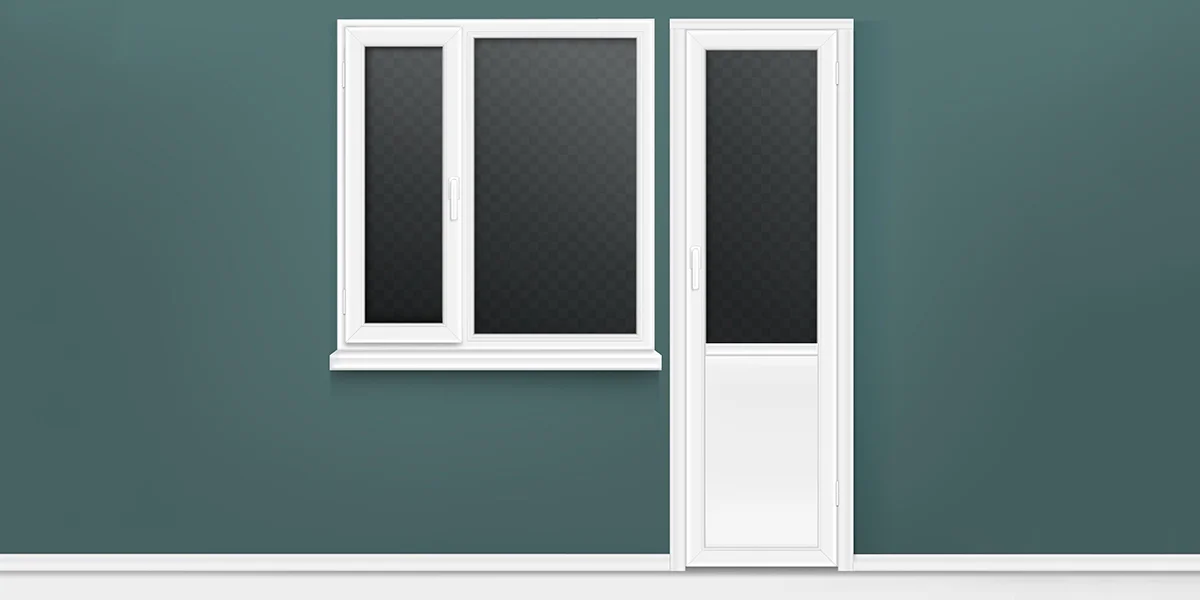

the-pros-and-cons-of-tinted-house-windows.webp

The Pros and Cons of Tinted House Windows

05 Aug 2024, By Admin

When it comes to enhancing your home's comfort, privacy, and energy efficiency, HOME WINDOW TINTING has become an increasingly popular option. Tinted windows offer a range of benefits, but they also come with some drawbacks. Let's explore the pros and cons of tinting your house windows.

Pros of Home Window Tinting

1. Energy Efficiency

One of the most significant advantages of HOME WINDOW TINTING is improved energy efficiency. Tinted windows can block a substantial amount of solar heat, reducing the need for air conditioning during hot summer months. This can lead to lower energy bills and a reduced carbon footprint.

2. UV Protection

Tinted windows provide excellent protection against harmful UV rays. Prolonged exposure to UV rays can cause furniture, carpets, and other interior items to fade over time. Window tinting helps preserve the vibrancy of your home’s interior by blocking up to 99% of UV radiation.

3. Enhanced Privacy

Privacy is a major concern for many homeowners, and HOME WINDOW TINTING can provide a simple solution. Tinted windows make it more difficult for people to see inside your home, giving you a greater sense of security and privacy without the need for heavy curtains or blinds.

4. Glare Reduction

Excessive glare from the sun can be a nuisance, especially when trying to watch TV or work on a computer. Tinted windows reduce glare, making your living spaces more comfortable and visually appealing.

5. Increased Safety

In the event of an accident or break-in, tinted windows can offer an additional layer of safety. The film used in tinting helps hold the glass together, preventing it from shattering into dangerous shards.

Cons of Home Window Tinting

1. Initial Cost

One of the main drawbacks of HOME WINDOW TINTING is the initial cost. Professional installation can be expensive, depending on the size and number of windows being tinted. However, many homeowners find that the long-term energy savings and other benefits outweigh this initial investment.

2. Potential Aesthetic Changes

While many people appreciate the sleek, modern look of tinted windows, others may find that they darken their home too much or alter the appearance of their exterior in an undesirable way. It's important to choose a tint that complements your home’s style and meets your personal preferences.

3. Reduced Natural Light

While tinted windows are great for reducing glare and blocking UV rays, they can also reduce the amount of natural light that enters your home. This can make your living spaces feel darker, which may not be ideal for everyone.

4. Installation Quality

The effectiveness of HOME WINDOW TINTING largely depends on the quality of the installation. Poorly installed tints can bubble, peel, or become discolored over time. It’s crucial to hire experienced professionals to ensure a smooth and long-lasting finish.

5. Maintenance

Maintaining tinted windows can require special care. Certain cleaning products and methods can damage the tint, so it’s essential to follow the manufacturer’s recommendations for cleaning and maintenance.

Conclusion

HOME WINDOW TINTING offers numerous benefits, from energy efficiency and UV protection to enhanced privacy and safety. However, it’s important to consider the potential downsides, such as the initial cost, aesthetic changes, reduced natural light, and maintenance requirements. By weighing these pros and cons, you can make an informed decision about whether window tinting is the right choice for your home.

Why Tinting your car's windows can prove to be a boon for your leather upholstery?

The Impact of Window Tinting on Car Safety and Security: Insights for Hamilton Drivers

05 Aug 2024, By Admin

Window tinting has become a popular choice among car owners in Hamilton and for good reason. Beyond its aesthetic appeal, window tinting offers several benefits, including enhanced privacy, protection from harmful UV rays, and improved temperature control inside the vehicle. However, one aspect that is often overlooked is the impact of window tinting on car safety and security. In this blog post, we will delve into the various ways in which window tinting can contribute to a safer and more secure driving experience for Hamilton drivers.

1. Reduced Glare for Enhanced Visibility: Driving in Hamilton, like any other city, can pose challenges with regard to glare from the sun and headlights. Window tinting helps to mitigate this issue by reducing the amount of light that enters the vehicle. By minimizing glare, window tinting improves visibility and enables drivers to have a clear view of the road, reducing the risk of accidents caused by impaired vision.

2. Protection from Shattered Glass: In the unfortunate event of an accident, the window film applied during tinting can act as a protective barrier. It holds the shattered glass together, preventing it from scattering all over the vehicle's interior. This not only minimizes the risk of injuries from flying glass shards but also makes it harder for potential intruders to gain access to the car during an attempted break-in. Window tinting thus adds an extra layer of security to your vehicle.

3. Enhanced Privacy and Theft Deterrence Privacy: is a significant concern for many drivers, and window tinting provides an effective solution. It limits the visibility of the vehicle, preventing prying eyes from scrutinizing your valuables and personal belongings. With tinted windows, you can go about your daily activities in Hamilton with greater peace of mind, knowing that your privacy is protected. Moreover, window tinting acts as a deterrent against theft. By concealing the contents of your car, it reduces the likelihood of opportunistic thieves targeting your vehicle. Criminals are less likely to break into a car when they are unsure about what lies inside, making window tinting a valuable investment for your vehicle's security.

4. Temperature Control and UV Ray Protection Hamilton: Experiences varying weather conditions throughout the year, and car window tinting in Hamilton can help regulate the temperature inside your car. The film used in window tinting acts as a heat barrier, reducing the amount of solar heat that enters the vehicle. This can be especially beneficial during hot summer months, keeping the interior cooler and reducing the reliance on air conditioning. Additionally, window tinting blocks a significant amount of harmful UV rays from entering the car. Prolonged exposure to UV rays can cause skin damage and increase the risk of skin cancer Tinted windows offer an added layer of protection by blocking up to 99% of these harmful rays, ensuring the well-being of both you and your passengers.

In conclusion, car window tinting in Hamilton goes beyond enhancing the appearance of your vehicle, it also has a substantial impact on car safety and security. By reducing glare, protecting against shattered glass, providing privacy, and regulating temperature, tinted windows offer numerous advantages for Hamilton drivers. Moreover, the UV ray protection they provide can contribute to your long-term health and well-being. Consider window tinting as an investment in both your vehicle's safety and your driving experience in Hamilton. If you're a Hamilton driver looking to improve the safety and security of your car, Dr. Tint Hamilton should be your first choice. With our expertise, precision installation, and high-quality tint films, we ensure optimal heat rejection, UV protection, and privacy, making them the top choice for car owners in Hamilton and around

See More

Why Tinting your car's windows can prove to be a boon for your leather upholstery?

Home Window Tinting: What Is It and How Much Does It Cost?

05 Aug 2024, By Admin

As homeowners seek innovative ways to improve comfort, energy efficiency, and privacy, home window tinting has become a popular solution. But what exactly is home window tinting, and how much does it cost? In this blog, we’ll dive into the benefits, process, and pricing of this transformative home upgrade.

What is Home Window Tinting?

Home window tinting involves applying a thin, durable film to the interior or exterior of your windows. The film is designed to reduce heat, glare, and UV rays while offering privacy. While window tinting is commonly associated with cars, it has gained popularity for residential applications due to its ability to enhance energy efficiency and protect home interiors.

Types of Window Tinting Films:

  • Solar Control Films: Reduce heat and glare, keeping your home cooler in the summer and reducing energy costs.
  • Security Films: Provide added protection by making glass more difficult to break, preventing potential intrusions.
  • Decorative Films: Offer an aesthetic appeal with frosted or colored designs that add privacy without sacrificing style.
  • UV Blocking Films: Block up to 99% of harmful UV rays, helping to protect furniture, floors, and artwork from fading.

Benefits of Home Window Tinting

  1. Energy Efficiency: One of the key advantages of home window tinting is its ability to lower energy bills. By blocking heat from entering your home during the summer and insulating windows during the winter, your HVAC system doesn’t have to work as hard to maintain a comfortable temperature.
  2. UV Protection: Prolonged exposure to UV rays can damage your skin and fade your furniture and flooring. Tinted windows can block a significant portion of UV rays, safeguarding your home and family.
  3. Privacy: Tinted windows offer enhanced privacy by limiting the view into your home from the outside, making it difficult for people to see inside during the day.
  4. Reduced Glare: Home window tinting can significantly cut down on glare, improving comfort while watching TV, using computers, or simply relaxing.
  5. Security: Security films make windows harder to break, adding a layer of protection against intruders and severe weather.

How Much Does Home Window Tinting Cost?

The cost of home window tinting depends on several factors, including the size and number of windows, the type of film you choose, and the complexity of the installation. Here’s a general breakdown:

  1. Cost Per Square Foot: Home window tinting typically ranges from $5 to $15 per square foot. High-end or specialized films, such as security or decorative films, can be on the higher end of this range.
  2. Installation Costs: Installation costs vary depending on the difficulty of the project. Professional installation ensures a smooth, bubble-free application and can range from $150 to $400 per window. Large or uniquely shaped windows may cost more due to the complexity of the installation.
  3. DIY vs. Professional Installation: While DIY window tinting kits are available and can be a more affordable option (around $2 to $4 per square foot), they often lack the quality and durability of professional-grade films. A DIY job also carries the risk of errors, such as bubbles or peeling, which may result in additional costs down the line.

Factors Affecting the Cost of Home Window Tinting

  1. Window Size and Quantity: The more windows you have, the more the project will cost. Larger windows also increase costs due to the additional material and time required.
  2. Film Type: The specific type of film you choose impacts the price. Decorative, security, or UV-blocking films are usually more expensive than basic solar films.
  3. Location: Installation costs can vary depending on your geographic location and the availability of professional services.
  4. Additional Features: Some window films offer extra benefits like anti-glare or energy efficiency, which may come at a higher cost.

Is Home Window Tinting Worth the Investment?

Given the benefits of energy savings, enhanced privacy, and UV protection, home window tinting can be a smart investment for homeowners. In regions with extreme heat or cold, the energy savings alone can offset the initial cost over time. Additionally, the long-term benefits of protecting your furniture and reducing the risk of break-ins make it a valuable home improvement option.

Home window tinting is a cost-effective way to improve energy efficiency, privacy, and security in your home. While prices can vary depending on your specific needs, the long-term benefits make it a worthwhile investment for many homeowners. Whether you opt for professional installation or a DIY approach, window tinting offers a range of solutions to enhance your living space.

If you’re considering tinting your home’s windows, get quotes from local professionals to determine the best options for your budget and needs.

See More

Why Tinting your car's windows can prove to be a boon for your leather upholstery?

How to Choose the Right Window Tint for Your Home in 2023

05 Aug 2024, By Admin

In the world of home improvement, one often overlooked but highly beneficial upgrade is home window tinting. As we step into 2023, the demand for window tinting solutions has grown significantly, driven by increased awareness of their advantages. Whether you're looking to enhance privacy, reduce energy costs, or protect your furnishings from harmful UV rays, choosing the right window tint for your home is crucial. In this guide, we'll explore the key factors to consider when selecting the perfect window tint for your home in 2023.

1. Identify Your Goals

Before diving into the world of window tinting, it's essential to determine your specific goals. Why do you want window tinting for your home? Common reasons include:

  • Privacy: Do you want to prevent prying eyes from peering into your living spaces?
  • Energy Efficiency: Are you looking to reduce your energy bills by blocking out heat in the summer and retaining warmth in the winter?
  • UV Protection: Do you want to safeguard your furniture, flooring, and artwork from harmful UV rays that can cause fading?
  • Glare Reduction: Is glare from the sun or nearby buildings affecting your comfort while working or relaxing indoors?

Knowing your objectives will help you choose the right type of window tint to fulfill your needs.

2. Understand Different Types of Window Tints

In 2023, there are various types of window tints available, each with its unique features and benefits. Some of the most common options include:

  • Solar Control Films: These tints are designed to reduce heat and glare, making your home more comfortable and energy-efficient. They can also block a significant portion of harmful UV rays.
  • Privacy Films: These tints provide enhanced privacy during the day while allowing you to see out. They are perfect for homes with large windows or those in close proximity to neighbors.
  • Decorative Films: If you want to add a touch of style to your windows, decorative films come in various patterns and designs. They can provide privacy and aesthetics simultaneously.
  • Security Films: These films are designed to strengthen windows and make them more resistant to break-ins and accidents. They can be a valuable addition to your home's security system.
  • UV-Blocking Films: If preserving the color and integrity of your furnishings is a priority, UV-blocking films are an excellent choice. They significantly reduce the harmful effects of UV rays on your interior decor.

3. Consider Local Regulations

Before you proceed with window tinting, it's crucial to check your local regulations and building codes. Some areas may have restrictions on the type or darkness of window tint allowed, especially for front-facing windows. Compliance with local laws ensures you avoid potential fines or complications.

4. Evaluate Tint Performance

When choosing a window tint, pay attention to its performance metrics, including:

  • Visible Light Transmission (VLT): This measures the amount of visible light that can pass through the tint. A lower VLT means less light passes through, which can be helpful for glare reduction and privacy.
  • Solar Heat Gain Coefficient (SHGC): This metric indicates how much heat the tint can block. Lower SHGC values are better for reducing heat gain during hot months.
  • U-Factor: This measures how well the tint insulates your windows. A lower U-factor indicates better insulation, which is crucial for energy efficiency.

5. Seek Professional Installation

While some homeowners may attempt DIY window tinting, it's usually recommended to hire professionals. They have the expertise and equipment to ensure a proper installation that maximizes the benefits of your chosen tint.

6. Request Samples and Consultations

Before making your final decision, request samples of the window tints you're considering. This will allow you to see how they look in your home's lighting conditions and how well they meet your objectives. Additionally, consult with window tinting experts who can provide advice tailored to your specific needs.

In conclusion, home window tinting in 2023 is a versatile and practical solution for enhancing comfort, privacy, and energy efficiency in your home. By understanding your goals, exploring different types of tints, and considering local regulations, you can make an informed choice that brings both aesthetic and functional benefits to your living space. With professional installation and careful consideration, you'll enjoy the advantages of window tinting for years to come.

See More

Feedback
   Feedback    Call Now