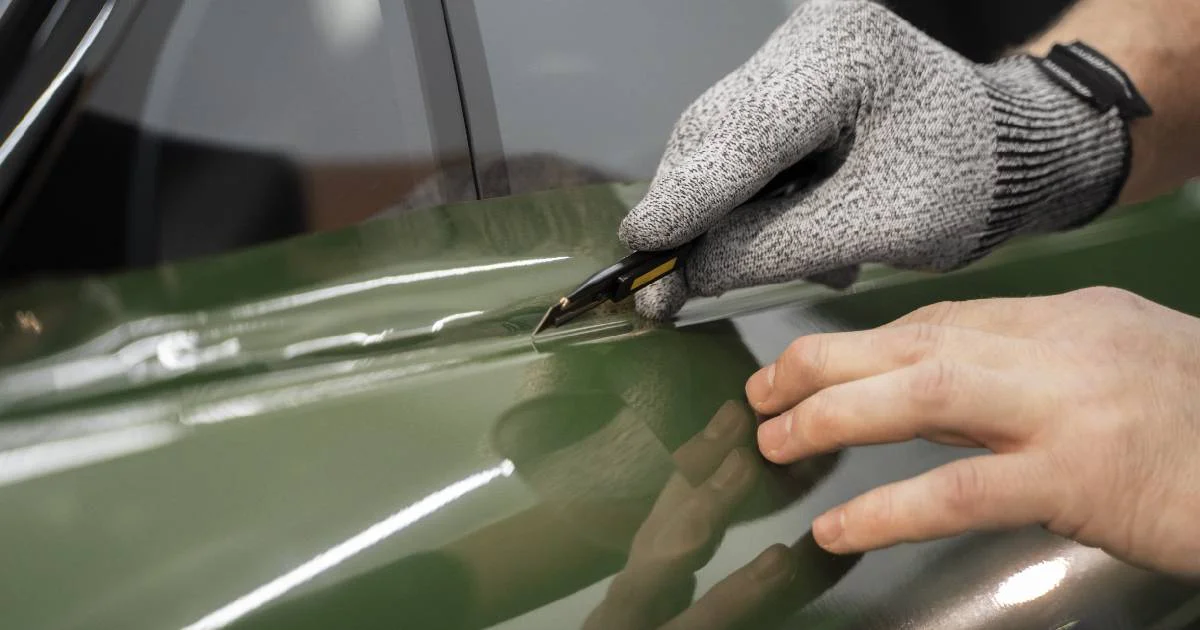
In the world of vehicle customization, car wrapping has become increasingly popular. Whether you're looking to give your car a fresh new look or advertise your business on the go, car wrapping offers a versatile and affordable solution. However, before diving into the world of vinyl wraps, there are several key factors to consider. In this blog post, we'll explore 10 things you should know before car wrapping.
In conclusion, car wrapping offers a convenient and customizable way to transform your vehicle's appearance. By understanding these key considerations before diving into a car wrapping project, you can ensure a successful outcome that enhances the look and value of your vehicle. Whether you're looking to make a statement on the road or promote your business, a professionally installed car wrap can help you achieve your goals with style and versatility.
Car window tinting has become increasingly popular for its numerous benefits, from enhancing privacy and aesthetics to protecting against harmful UV rays. However, with its rising popularity, there come several questions. In this blog post, we'll address some of the most common queries people have about car window tinting, providing accurate and informative answers to help you make an informed decision.
1.Why should I tint my car windows?
Car window tinting offers several benefits, including UV protection, heat reduction, glare reduction, enhanced privacy, and safeguarding your vehicle's interior from fading. It also adds to the overall aesthetics of your car.
2. Is car window tinting legal?
Yes, but the legal limits vary by state and country. It’s crucial to check local regulations. Most places have restrictions on how much visible light can pass through the tint. Professional tinting services are typically aware of local laws and ensure your tinting adheres to these regulations.
3. Can window tinting prevent my skin from getting damaged by UV rays?
Yes, quality window tints block a significant amount of UV rays, reducing your exposure and minimizing the risk of skin damage. This protection is especially important for people who spend a lot of time driving.
4. Does window tinting interfere with visibility, especially at night?
When professionally installed, window tints should not interfere with visibility, both during the day and at night. It’s essential to choose an appropriate tint shade and have it installed correctly to ensure clear visibility.
5. How long does the tinting process take?
The time taken to tint your car windows depends on the type of vehicle and the complexity of the job. On average, it takes a professional installer a few hours to complete the process. However, this can vary, so it’s best to check with the service provider.
6. Can I wash my car immediately after tinting?
No, you should wait a few days before washing your car after window tinting. This allows the adhesive to cure completely, ensuring the tint adheres properly to the glass. Follow the specific guidelines provided by the tinting professional for the best results.
7. How long will window tinting last?
The lifespan of window tinting varies based on the quality of the tint and the installation. High-quality tints, when professionally installed, can last between 10 to 15 years. Regular maintenance and cleaning also play a role in prolonging the tint’s life.
8. Can I tint my windows myself with a DIY kit?
While DIY kits are available, professional installation is recommended for the best results. Professional installers have the expertise and tools to ensure the tint is applied evenly and without bubbles or imperfections. DIY tinting can often result in subpar outcomes.
9. Will window tinting interfere with my car's electronics or radio signals?
No, high-quality window tints do not interfere with your car’s electronics or radio signals. Modern window films are designed to be non-conductive and won’t disrupt your vehicle's electrical systems.
10. How do I maintain my tinted windows?
Maintaining tinted windows is relatively easy. Clean them with a mild, non-ammonia-based cleaner and a soft cloth. Avoid using abrasive materials that could scratch the surface. Regular cleaning helps maintain the tint's appearance and longevity. In conclusion, car window tinting is a practical and valuable investment for your vehicle. By understanding the process and benefits, you can make an informed decision and enjoy the many advantages that tinted windows offer. Always opt for professional installation to ensure a high-quality and long-lasting result.
Kia ora, mates! If you're a proud boat owner in the stunning waters of Aotearoa, you know how important it is to keep your marine vessel in top-notch condition. New Zealand is known for its breathtaking coastline and pristine waters, making marine activities a way of life for many Kiwis. But, have you ever thought about the protection of your vessel's windows? Well, worry not, because Dr. Tint & Wrap has come to the rescue with their specialized marine tinting services!
Dr. Tint & Wrap is a well-known name in the automotive and residential window tinting industry. They have earned a reputation for providing high-quality tinting solutions that not only enhance aesthetics but also offer numerous functional benefits. And now, they've expanded their expertise to the maritime world with their marine window tinting services.
Before diving into the details of Dr. Tint & Wrap's marine tinting services, let's understand why tinting is crucial for your boat's windows. Marine vessels, whether you own a yacht, a fishing boat, or a jet ski, are constantly exposed to the harsh elements of the ocean. The intense UV rays, saltwater, and wind can take a toll on your boat's windows, leading to several issues:
1. Sun Damage: Prolonged exposure to UV rays can lead to fading and deterioration of interior materials, including upholstery, dashboard, and electronics.
2. Glare: Glare from the sun reflecting off the water can hinder your visibility, making navigation and fishing challenging.
3. Privacy and Security: Tinted windows not only offer privacy while on your vessel but also act as a deterrent to potential thieves.
4. Temperature Control: Tinted windows help regulate the temperature inside your boat, keeping it cooler in the scorching New Zealand sun.
5. Safety: In the unfortunate event of an accident or collision, tinted windows can help prevent shattered glass from causing injuries. Dr. Tint & Wrap's Marine Tinting Services
Dr. Tint & Wrap understands the unique challenges faced by marine vessels in New Zealand's waters. Their marine tinting services are tailored to address these challenges effectively. Here's what you can expect:
1. High-Quality Films: Dr. Tint & Wrap uses top-grade window films designed specifically for marine applications. These films offer superior UV protection, heat reduction, and glare control.
2. Professional Installation: Their team of experienced technicians ensures that the tinting is done with precision and attention to detail, guaranteeing a seamless finish.
3. Custom Solutions: Every boat is unique, and Dr. Tint & Wrap provides custom tinting solutions to meet your vessel's specific needs.
4. Long-Lasting Results: With their marine window tinting, you can expect the tint to last for years, resisting the harsh conditions of the ocean.
5. Compliance with Regulations: Dr. Tint & Wrap ensures that the tinting complies with New Zealand's maritime regulations, so you can enjoy peace of mind knowing your vessel is legal and safe.
Marine tinting is not just about aesthetics; it's about protecting your investment and enhancing your boating experience. Dr. Tint & Wrap's marine window tinting services bring their expertise to the maritime world, helping boat owners across New Zealand safeguard their vessels from the elements while enjoying the beauty of our pristine waters.
Don't wait until the sun takes its toll on your boat's windows. Contact Dr. Tint & Wrap today to explore how their marine tinting services can elevate your boating experience and keep your vessel looking and performing its best. Protect your boat, protect your investment, and sail the stunning waters of Aotearoa in style with Dr. Tint & Wrap!
Considering giving your car a fresh look? Wrapping cars might be the solution you're seeking. With a plethora of colors and designs to choose from, and the option to customize your own, personalizing your car has never been more convenient. However, before you invest your money - and potentially your time, especially if you're inclined to try it yourself - let's delve into the advantages and disadvantages of wrapping cars.
The choice of materials and the application technique you adopt play crucial roles in determining the final outcome of your car wrap. To provide you with a comprehensive understanding, we, along with insights from our Chips Away technicians, aim to outline all the positive and negative aspects associated with wrapping cars.
Now a well-wrapped car can fool most onlookers
You receive the quality commensurate with your investment.
Not all wraps are made equal," emphasizes Steve Perkins, a ChipsAway specialist covering the Hartlepool area. If you're contemplating wrapping your car on a budget, it's crucial to recognize that the quality of the wrap correlates directly with the cost. Opting for a do-it-yourself approach with a cheap wrap might seem like a cost-saving strategy, but it often results in a less satisfactory finish compared to trade wraps or those known for their superior quality.
Steve, who describes himself as a novice in the wrapping realm, points out that "[a] trade quality product is often quite amenable to self-healing." This implies that with gentle heat, minor scratches, and even holes can "melt" away, allowing the wrap to "self-heal." This advantageous feature is not always present in lower-quality products, underscoring the importance of considering the potential drawbacks when contemplating a home kit instead of seeking professional expertise.