740ee7b0910f88ad6761f2d11df2795e.webp

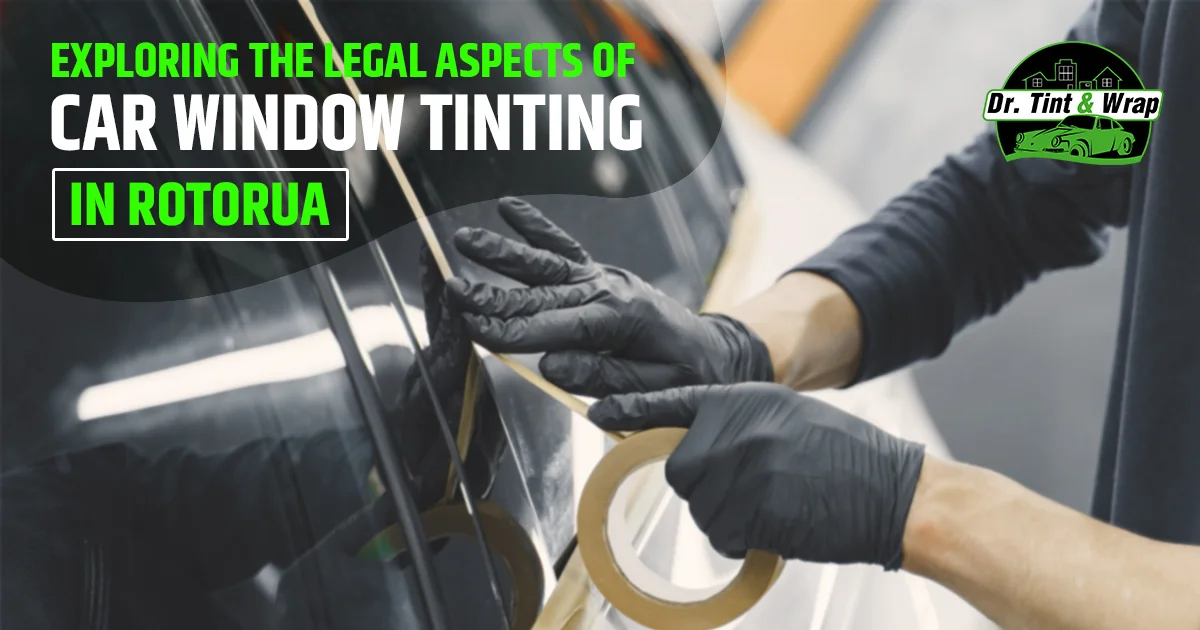
Exploring the Legal Aspects of Car Window Tinting in Rotorua

09 Aug 2023, By Admin

When you roam the scenic streets of Rotorua, New Zealand, you'll notice many vehicles flaunting sleek window tints that not only add an air of mystery but also provide practical benefits. Car window tinting has become a popular choice for many motorists, offering privacy, reducing glare, and protecting the vehicle's interior from harmful UV rays. However, as appealing as window tinting may be, there are legal considerations that every car owner in Rotorua must be aware of before opting for this modification.

The Trend and its Advantages

Car window tinting has been trending in Rotorua for the past few years. It's no wonder why so many car enthusiasts choose to tint their windows. The advantages are numerous:

  1. Privacy: Tinted windows give car occupants a sense of seclusion, making it difficult for prying eyes to see inside the vehicle.
  2. Solar Protection: The harsh New Zealand sun can be damaging to both the passengers and the vehicle's interior. Window tints act as a shield against harmful UV rays, reducing the risk of skin cancer and preserving the car's upholstery.
  3. Improved Aesthetics: Let's face it; window tints lend an air of sophistication to any vehicle. They provide a uniform appearance, enhancing the overall aesthetics of the car.
  4. Reduced Glare: Glare from the sun and other vehicles can be a real hazard, causing visual discomfort and increasing the likelihood of accidents. Tints mitigate this problem by minimizing glare, leading to safer driving conditions.

Understanding the Law in Rotorua

While car window tinting offers various benefits, New Zealand has strict laws in place to regulate its usage. These laws are designed to ensure public safety and law enforcement's ability to monitor vehicles. Rotorua adheres to the national guidelines set forth by the New Zealand Transport Agency (NZTA) regarding permissible limits for window tinting.

According to NZTA regulations, the following rules apply to car window tinting in Rotorua

  1. Visible Light Transmission (VLT): The VLT refers to the percentage of light that must pass through both the front and rear side windows and windscreen. In Rotorua, the front side windows must have a minimum VLT of 35%, while there are no restrictions on the rear side windows and the rear windscreen. This means that at least 35% of light must pass through the front side windows.
  2. Restricted Colors and Reflectivity: The use of highly reflective or mirrored tints is prohibited, as they can be distracting to other drivers and interfere with road safety. Additionally, the colour of the window tint should be within the range of green, grey, and neutral smoke.
  3. Windscreens: The tint on the windscreen must be limited to the top 100mm, ensuring an unobstructed view for the driver.
  4. Inspection Certification: If you're considering tinting your car windows, ensure that the tint complies with NZTA regulations. If you're purchasing a car with pre-installed tints, check if the vehicle comes with an inspection certification stating that the tints meet the legal requirements.


Consequences of Non-Compliance

Failing to adhere to the car window tinting laws in Rotorua can have serious consequences. If you're caught with illegal window tints, you may face fines, demerit points on your driver's license, and potentially have to remove the tints to comply with the law.

Car window tinting is undeniably an attractive and practical option for car owners in Rotorua. It not only enhances the aesthetics of the vehicle but also provides various benefits like privacy and solar protection. However, it's crucial to remember that there are legal restrictions in place to ensure road safety and visibility for all motorists. Dr. Tint & Wrap Rotorua stands out as the premier destination for top-notch car window tinting services, offering unmatched expertise and quality. As a responsible business, they prioritize adhering to all government regulations to ensure a safe and compliant tinting experience for their customers.

Why Tinting your car's windows can prove to be a boon for your leather upholstery?

How Much Does It Cost To Do Ppf On A Car ?

09 Aug 2023, By Admin

In the world of automotive enthusiasts and meticulous car owners, the quest for preserving a vehicle's pristine appearance often leads to the consideration of Paint Protection Film (PPF). Hamilton, with its vibrant automotive culture, has seen an increased interest in this cutting-edge technology. As car owners seek ways to shield their beloved vehicles from the rigors of daily driving and environmental hazards, understanding the costs associated with PPF becomes crucial. In this guide, we'll delve into the factors influencing the cost of PPF in Hamilton and provide insights into the value it offers.

What is Paint Protection Film?

Paint Protection Film, often referred to as PPF, is a transparent polyurethane film applied to the exterior surfaces of a vehicle to protect the paint from stone chips, bug splatter, bird droppings, road debris, and other environmental contaminants. It acts as an invisible shield, preserving the car's finish and maintaining its resale value

Factors Influencing PPF Costs in Hamilton

  • Type and Quality of Film: The market offers various types and qualities of PPF, ranging from basic films to high-end, self-healing varieties. The cost of PPF can vary significantly based on the brand, thickness, and features of the film. Premium films may have a higher upfront cost but provide superior protection and durability.
  • Size and Complexity of the Vehicle: Larger vehicles or those with complex body contours may require more PPF material and additional labor for installation. Sports cars, luxury vehicles, and SUVs typically have larger surface areas, influencing the overall cost.
  • Installation Labor Costs: The skill and experience of the installer play a crucial role in the cost of PPF. Hamilton boasts several skilled professionals and their expertise may be reflected in the labor costs. However, choosing a reputable installer is essential to ensure proper application and optimal protection.
  • Coverage Areas: Car owners can choose specific areas for PPF coverage, such as the full front end, hood, fenders, side mirrors, and more. The more extensive the coverage, the higher the overall cost. Some opt for a full-body wrap for comprehensive protection.
  • Customization and Design: Some PPF installations involve customization, such as patterns, logos, or unique designs. These personalized touches can add to the overall cost but allow for a one-of-a-kind look while maintaining protection.
  • Warranty and Aftercare: High-quality PPF often comes with extended warranties. The length and terms of the warranty can impact the upfront cost but provide peace of mind for car owners. Additionally, factoring in aftercare products for maintenance is essential to ensure the film's longevity.

How much does PPF typically cost in Hamilton?

The cost of PPF installation in Hamilton can vary based on several factors, including the size and model of your vehicle, the type of PPF used, and the complexity of the installation. On average, PPF Prices start from $1150. It's advisable to obtain quotes from reputable PPF installers in Hamilton for accurate pricing based on your specific car.

Investing in Paint Protection Film for your car in Hamilton is a strategic decision to safeguard your vehicle's aesthetics and resale value. The costs associated with PPF vary based on factors like the type of film, the size of the vehicle, labor, and customization options. While the initial investment may seem significant, the long-term benefits in terms of paint preservation and overall appearance make PPF a worthwhile consideration for car enthusiasts and those looking to protect their automotive investments in the vibrant city of Hamilton.

See More

Why Tinting your car's windows can prove to be a boon for your leather upholstery?

Choosing the Right Window Tint for Your Home: A Comprehensive Guide

09 Aug 2023, By Admin

Windows are the eyes of your home, providing natural light, ventilation, and a connection to the outside world. However, they can also be a source of problems, such as excessive heat, glare, and harmful UV rays. Window tinting offers a practical solution to these issues, but selecting the right window tint can be a daunting task. In this guide, we'll walk you through the process of choosing the appropriate window tint for your home based on your specific needs, climate, and window types.

1. Assess Your Needs:

Before diving into the world of window tinting, it's crucial to assess your specific requirements. Consider the following factors:

  • Privacy: Do you need increased privacy without sacrificing natural light?
  • Heat Reduction: Is your home excessively hot, especially during summer months?
  • Glare Reduction: Do you struggle with glare from sunlight that affects your comfort and visibility?
  • UV Protection: Are you concerned about fading furniture and flooring due to UV rays?
  • Energy Efficiency: Are you looking to reduce energy costs by improving insulation?

2. Understand Different Types of Window Tints:

There are various types of window tints available, each designed to address specific issues:

  • Solar Control Films: Ideal for heat and glare reduction, these films block UV rays and improve energy efficiency.
  • Privacy Films: These tints provide privacy during the day while allowing natural light to enter your home.
  • Security Films: Reinforce your windows for added security, protecting your home from break-ins and accidents.
  • Decorative Films: Enhance aesthetics with decorative window films available in various patterns and designs.

3. Consider Your Climate:

The climate of your region plays a significant role in choosing the right window tint:

  • Hot Climates: Opt for tints with high solar heat rejection and UV protection to keep your home cool and protect from sun damage.
  • Cold Climates: Look for tints with insulating properties to retain indoor heat during winters, reducing heating costs.

4. Think About Window Types:

Different window types require different tinting solutions:

  • Double-Pane Windows: Consult with a professional, as certain films can trap heat between the panes, potentially causing damage.
  • Low-E Coated Windows: Use tints recommended by the window manufacturer to maintain the Low-E coating's effectiveness.
  • Older Windows: Consider films that provide insulation, improving energy efficiency in older, less insulated windows.

5. Seek Professional Advice:

While there are DIY tinting kits available, consulting with a professional window tinting service is invaluable. They can assess your specific needs, recommend suitable products, and ensure proper installation, maximizing the tints' effectiveness and longevity.

6. Read Reviews and Get Samples:

Research online reviews and testimonials to learn about other homeowners' experiences with specific window tints. Additionally, request samples from manufacturers or service providers to physically see how different tints look and perform in your home environment.

7. Maintenance and Warranty:

Consider the maintenance requirements and warranty offered with the window tint. Some tints may require special cleaning methods to preserve their effectiveness, while others come with comprehensive warranties, ensuring long-term satisfaction.

In conclusion, choosing the right window tint for your home involves careful consideration of your specific needs, the climate you live in, and the types of windows you have. By understanding these factors and seeking professional guidance, you can enhance your home's comfort, energy efficiency, and overall aesthetics, making an informed choice that you'll appreciate for years to come.

See More

Why Tinting your car's windows can prove to be a boon for your leather upholstery?

Before You Spend Money on Ceramic Coatings, Here Are Some Things to Know

09 Aug 2023, By Admin

When it comes to keeping your car looking brand new, one term that frequently pops up is ceramic coating. This innovative product has gained popularity among car enthusiasts for its ability to protect and enhance the appearance of your vehicle. But before you dive into the world of ceramic coatings, it's important to understand what you're investing in. Here's a comprehensive guide to help you make an informed decision.

What is Ceramic Coating?

Ceramic coating is a liquid polymer that is applied to the exterior of a vehicle. When cured, it chemically bonds with the factory paint, creating a layer of protection. This coating is often made from silicon dioxide (SiO2) and sometimes incorporates other compounds like titanium dioxide (TiO2) to enhance its protective properties.

The Benefits of Ceramic Coating

  1. Enhanced Protection: One of the primary reasons car owners opt for ceramic coating is its ability to protect the car’s paint from external contaminants. This includes protection against UV rays, bird droppings, tree sap, acid rain, and even minor scratches.
  2. Hydrophobic Properties: Ceramic coatings provide a hydrophobic layer, meaning water and other liquids bead off the surface easily. This makes cleaning your car much easier and can prevent water spots and staining.
  3. Glossy Finish: A high-quality ceramic coating will give your car a deep, glossy shine that can make it look better than new. This glossy finish is often one of the most attractive features for car enthusiasts.
  4. Durability: Unlike traditional waxes or sealants that may last only a few months, a properly applied ceramic coating can last for years. This longevity means less frequent reapplication and more consistent protection over time.

Things to Consider Before Getting a Ceramic Coating

  1. Cost: High-quality ceramic coatings can be expensive. The cost varies based on the brand, the condition of your car’s paint, and whether you opt for a professional application or a DIY kit. Professional applications can range from a few hundred to several thousand dollars.
  2. Preparation: Applying a ceramic coating is not a simple process. The car’s paint needs to be thoroughly cleaned and decontaminated, and in many cases, paint correction is necessary to remove any imperfections. This prep work can be time-consuming and requires skill.
  3. Maintenance: While ceramic coatings reduce the need for frequent waxing, they still require maintenance. You’ll need to wash your car regularly using the right products to maintain the coating’s effectiveness and appearance.
  4. Realistic Expectations: Ceramic coatings are not bulletproof. They can protect against minor scratches and contaminants but won’t make your car invincible. Large impacts, deep scratches, and harsh chemicals can still damage your vehicle's paint.
  5. Choosing the Right Product: The market is flooded with ceramic coating products, and not all are created equal. Research and read reviews to find a reputable brand. Some well-known brands include CarPro Cquartz, Gtechniq, and Chemical Guys.

DIY vs. Professional Application

  • DIY Kits: There are many DIY ceramic coating kits available that can be applied at home. These kits are usually less expensive than professional applications but may not offer the same level of protection or longevity. Additionally, the application process can be tricky and requires careful attention to detail.
  • Professional Application: Opting for a professional application ensures that the coating is applied correctly and evenly. Professionals have access to high-grade products and the necessary tools to prepare your car’s paint properly. While this option is more expensive, it often results in better, longer-lasting protection.

Final Thoughts

Ceramic coating can be a great investment for those looking to protect their vehicle and maintain its showroom shine. However, it’s crucial to weigh the costs, understand the application process, and have realistic expectations about what the coating can and cannot do. Whether you choose a DIY kit or go for a professional application, proper maintenance is key to getting the most out of your ceramic coating. Do your research, and your car will thank you for it.

Investing in a ceramic coating can save you time and money in the long run while keeping your car looking its best. Happy driving!

See More

Feedback
   Feedback    Call Now