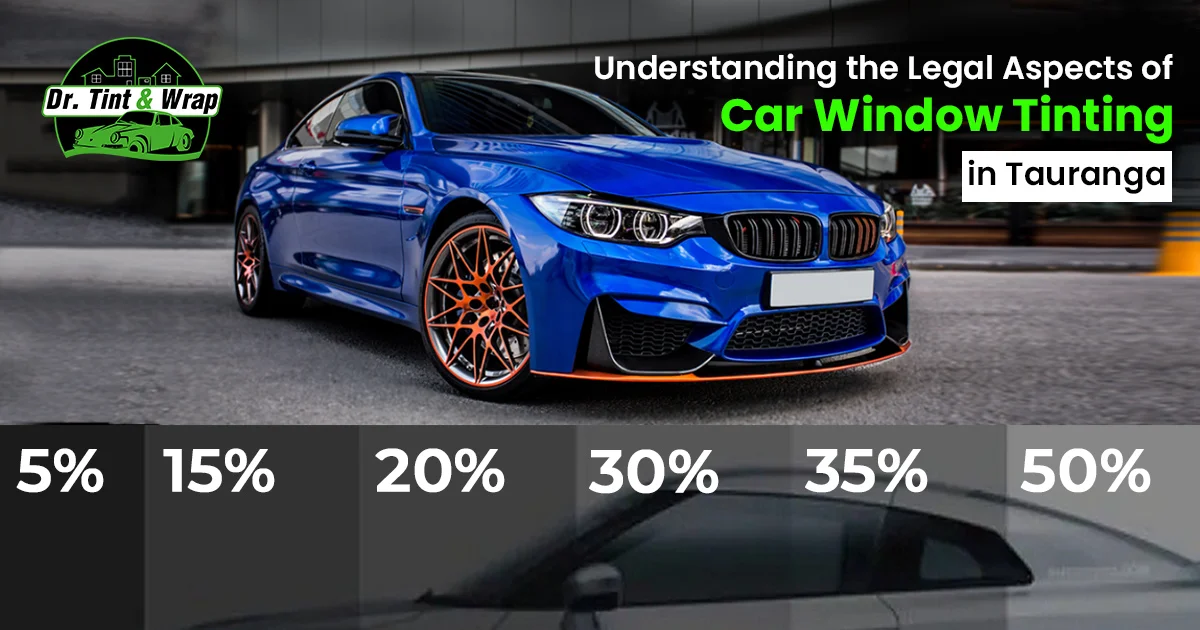

Car window tinting has become a popular choice for vehicle owners in Tauranga, offering various benefits such as enhanced privacy, protection against harmful UV rays, and improved aesthetics. However, it is important to understand the legal aspects surrounding car window tinting to ensure compliance with local regulations. In this blog post, we will delve into the legal guidelines for car window tinting in Tauranga and provide you with valuable information to make informed decisions.
Before diving into car window tinting, it's crucial to be aware of the specific legal requirements in Tauranga. Each region may have its own set of regulations, so it's important to research and understand the guidelines specific to this area. Familiarize yourself with the allowable levels of tint darkness and reflectiveness to ensure compliance.
One of the key factors in car window tinting regulations is light transmission, often measured as a percentage. The lower the percentage, the darker the tint. In Tauranga, the allowable light transmission levels for car window tints may vary for different windows. For instance, the front windshield usually requires a higher light transmission compared to the rear windows. Understanding these variations is essential to avoid potential legal issues.
Apart from light transmission, Tauranga's regulations also impose limits on the amount of visible light reflectance that car window tints can have. Reflective tints can significantly impact the visibility of other drivers, potentially causing hazards on the road. Therefore, it's crucial to adhere to the specified limits to maintain road safety.
When getting your car windows tinted in Tauranga, it's essential to choose a reputable service provider that uses tint films that comply with local regulations. Certified professionals will ensure that the tinting job meets the legal requirements, giving you peace of mind and minimizing the risk of penalties or fines.
To demonstrate compliance with the legal aspects of car window tinting, it's essential to keep the necessary documentation. This includes warranties for the tint films used and certificates of compliance provided by the service provider. These documents can serve as proof of compliance in case of inspections or any legal inquiries.
Even if your car window tints comply with the regulations at the installation time, it's important to maintain compliance in the long run. Regular inspections can help identify any issues such as peeling, bubbling, or fading of the tint film. If you notice any problems, promptly address them by consulting a professional to ensure that your car remains within legal limits.
Dr. Tint & Wrap excels in providing the finest car window tinting services in Tauranga, ensuring strict compliance with government laws for car window tinting in the area. Their expertise and attention to detail make them the top choice for anyone seeking professional car window tinting in Tauranga. Understanding the legal aspects of car window tinting in Tauranga is crucial to ensure compliance with local regulations and avoid potential penalties. By familiarizing yourself with the guidelines regarding light transmission, visible light reflectance, certification, and documentation, you can enjoy the benefits of window tinting while staying on the right side of the law. Remember to choose a reputable service provider, maintain proper documentation, and conduct regular inspections to ensure your car's window tinting remains in compliance with the law.
Car wrapping has become an increasingly popular method for vehicle customization, allowing car owners to express their style and protect their vehicles' original paint. However, like any automotive enhancement, car wrapping is not a permanent solution. In this blog, we'll delve into the factors that influence the longevity of car wrapping and answer the burning question: How long does car wrapping last?
Car wrapping involves applying a thin, adhesive vinyl film to the exterior of a vehicle. This vinyl can come in various colors, patterns, and finishes, providing car owners with a versatile and cost-effective alternative to traditional paint jobs. Car wrapping is known for its ability to protect a vehicle's paint from scratches, stone chips, and other environmental damage while allowing for easy removal or color changes.
Car wrapping longevity depends on various factors.
Signs that a car wrap may need a replacement include:
The cost of replacing a car wrap depends on various factors, including the size of the vehicle, the complexity of the wrap design, and the quality of materials used. On average, you can expect to pay a few thousand dollars for a full wrap replacement.
The design and functionality of office spaces play a crucial role in fostering a productive and comfortable work environment. In recent years, businesses have been exploring various strategies to optimize their office spaces, and one such innovative solution gaining popularity is office window tinting. While often associated with cars, window tinting has proven to be a valuable investment for commercial spaces as well. In this blog post, we'll delve into the reasons why more businesses are opting for office window tinting to enhance their workspaces.
By blocking a portion of the sun's rays, office window tinting helps maintain a more consistent indoor temperature. This reduces the need for excessive use of heating and cooling systems, resulting in lower energy consumption and cost savings for the business.
Yes, office window tinting can be applied to various types of windows, including single-pane and double-pane glass. It is essential to choose the appropriate tinting film based on the specific needs and characteristics of the windows.
Quality window tinting is designed to maintain the clarity of the view from inside the office while reducing glare and blocking harmful UV rays. Businesses can choose from a variety of tinting options, including those with minimal impact on visible light transmission.
A: By blocking a portion of the sun's rays, office window tinting helps maintain a more consistent indoor temperature. This reduces the need for excessive use of heating and cooling systems, resulting in lower energy consumption and cost savings for the business.
Investing in office window tinting is a strategic decision that goes beyond simple aesthetics. It addresses key factors such as glare reduction, temperature regulation, UV protection, privacy, and energy efficiency. By creating a more comfortable and productive work environment, businesses can enhance the well-being of their employees and contribute to long-term cost savings. As the trend towards optimizing office spaces continues, office window tinting emerges as a practical and multifaceted solution for modern workplaces.
Car window tinting has become increasingly popular among car owners in recent years. This process involves applying a thin, transparent film to the windows of a car, which helps to reduce the amount of heat that enters the vehicle. But how does car window tinting actually work to reduce heat inside the car? In this blog, we'll explore the science behind car window tinting and its effects on reducing heat inside the car.
Car window tinting works by blocking the sun's rays from entering the car. The film is designed to absorb or reflect the sun's radiation, which is responsible for the heat that builds up inside the vehicle. By reducing the amount of sunlight that enters the car, the tinting film helps to keep the temperature inside the car more comfortable.
In addition to reducing the amount of sunlight that enters the car, car window tinting also reduces the amount of visible light that enters the car. This helps to reduce glare, which can be a major problem for drivers, especially during the day when the sun is bright. By reducing glare, car window tinting makes it easier for drivers to see the road ahead, which can help to prevent accidents.
Car window tinting films are also designed to block up to 99% of the sun's ultraviolet (UV) radiation. UV radiation can be harmful to both the skin and the interior of a car. Over time, exposure to UV radiation can cause the dashboard and other parts of the car's interior to fade and crack. By blocking UV radiation, car window tinting helps to protect the car's interior and keep it looking new for longer.
Because car window tinting helps to reduce the amount of heat that enters the car, it can also help to reduce the need for air conditioning. This not only saves fuel, but it can also help to reduce the wear and tear on the car's air conditioning system, which can extend its lifespan.
In conclusion, car window tinting works by blocking the sun's rays, reducing the amount of visible light that enters the car, blocking up to 99% of UV radiation, and reducing the need for air conditioning. Doing so helps to keep the temperature inside the car more comfortable, protect the car's interior, and improve the safety of drivers on the road. If you're considering getting your car windows tinted, make sure to choose a reputable provider who can help you choose the right type of tinting film for your needs.