-
 By admin
- 13/02/2024
What Are The Pros And Cons Of Wrapping A Car?
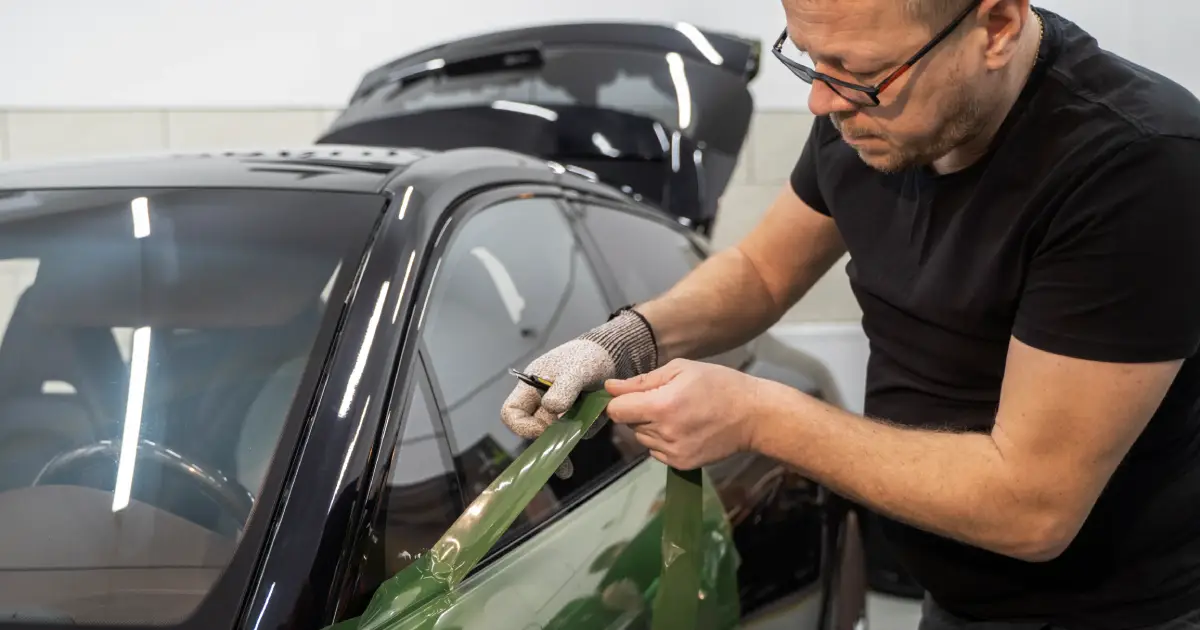
Considering giving your car a fresh look? Wrapping cars might be the solution you're seeking. With a plethora of colors and designs to choose from, and the option to customize your own, personalizing your car has never been more convenient. However, before you invest your money - and potentially your time, especially if you're inclined to try it yourself - let's delve into the advantages and disadvantages of wrapping cars.
The choice of materials and the application technique you adopt play crucial roles in determining the final outcome of your car wrap. To provide you with a comprehensive understanding, we, along with insights from our Chips Away technicians, aim to outline all the positive and negative aspects associated with wrapping cars.
Pro’s Of Car Wraps
Now a well-wrapped car can fool most onlookers
- It's individualized for you As car wraps reach new levels of quality, featuring flawless finishes and customizable designs that match your personality, an increasing number of drivers are choosing this option. Whether opting for a complete vehicle wrap or focusing on specific elements like the wheels, this personalized approach provides the flexibility to own a truly unique car. It's important to note that not all wraps involve bold and vibrant colors; vinyl wraps come in a wide range, enabling you to switch colors regularly without the long-lasting commitment of a traditional respray.
- Protect your Paint An excellent motive for opting for a car wrap is to safeguard your vehicle's paintwork. The vinyl wrap serves as a protective shield, shielding against minor chips and dings caused by stones and other road hazards. If you intend to maintain the vehicle in its pristine condition for a potential resale, safeguarding the paint ensures the retention of its resale value and eliminates the need for minor scratch repairs. For a more understated appearance, Oliver Edwards, our ChipsAway specialist in Totton and Hythe, recommends a 'clear protection system.' When applied to the front of your cherished vehicle, this system prevents stone chips while allowing the original color to shine through
- Cost-effective Colour Instead of investing in an entire repaint, opting for a car wrap provides an affordable way to experiment with different colors. The cost of a vinyl wrap may fluctuate, particularly when seeking professional services at a body shop, but it remains a more economical alternative. This option not only offers flexibility in terms of style and design but also allows you to control the duration for which you keep the wrap.
- It can be removed Should you opt for a change in your vehicle's appearance within the next six months to a year, you have the flexibility to easily remove your existing car wrap. It's important to note that when we say "simply," we mean it in a figurative sense, as the process of removing a car wrap is deliberate and gradual to safeguard the integrity of your vehicle. Consider employing techniques such as using a heat gun, adopting a slow peel method, and steering clear of abrasive solutions when undertaking the removal of a vinyl wrap.
Con’s of Car Wraps
You receive the quality commensurate with your investment.
Not all wraps are made equal," emphasizes Steve Perkins, a ChipsAway specialist covering the Hartlepool area. If you're contemplating wrapping your car on a budget, it's crucial to recognize that the quality of the wrap correlates directly with the cost. Opting for a do-it-yourself approach with a cheap wrap might seem like a cost-saving strategy, but it often results in a less satisfactory finish compared to trade wraps or those known for their superior quality.
Steve, who describes himself as a novice in the wrapping realm, points out that "[a] trade quality product is often quite amenable to self-healing." This implies that with gentle heat, minor scratches, and even holes can "melt" away, allowing the wrap to "self-heal." This advantageous feature is not always present in lower-quality products, underscoring the importance of considering the potential drawbacks when contemplating a home kit instead of seeking professional expertise.
- Dynamic Color Transformations Although the initial aesthetic appeal of covering your red car with black vinyl is undeniable, it's essential to consider a potential drawback. Over time, any scuffs or scratches on the wrap may lead to a noticeable color change. As the damage accumulates, the original color may seep through, diminishing the overall finish and making it more apparent. Additionally, the protective function of the vinyl wrap will diminish, leaving the underlying paint vulnerable to further harm.
- Take into account the legal aspects. If you intend to apply a complete body wrap that significantly alters your car's color, such as changing it from black to red, it is essential to notify both your insurance company and the DVLA. This procedure can be time-consuming, especially if you plan to wrap your car temporarily before reverting to its original state. Before committing to an exterior full-body wrap and investing money, it's advisable to research online.
Book Now