When you invest in a new car, you're not just purchasing a means of transportation – you're acquiring a symbol of style, innovation, and modern engineering. Naturally, you'd want to keep your vehicle looking as pristine as the day you drove it off the lot. However, the harsh realities of the road – from gravel to road debris to the elements – can quickly take a toll on your car's exterior. This is where the magic of Paint Protection Film (PPF) comes into play.
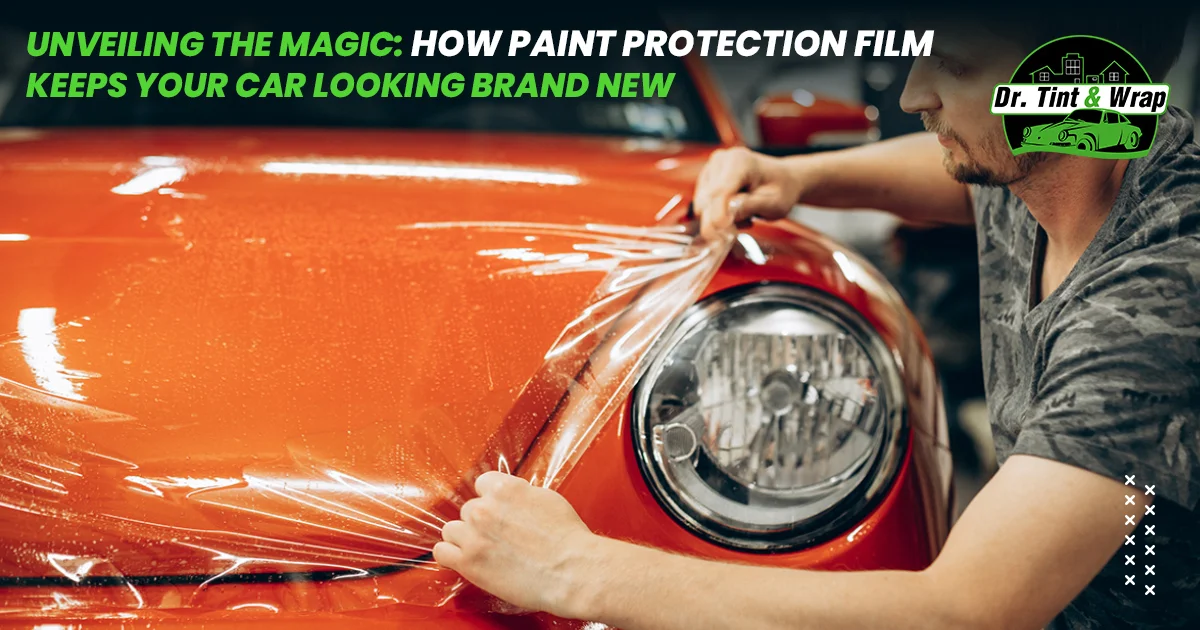
Imagine a transparent shield that wraps around your car, shielding its delicate paintwork from the forces of nature. Paint Protection Film, often referred to as clear bra or PPF, is a thin, virtually invisible layer made from high-performance urethane material. Applied to your car's exterior surfaces, PPF acts as a robust barrier against a wide array of potential damage.
1. Preserves Resale Value: A well-maintained exterior significantly enhances your car's resale value. Paint Protection Film safeguards your car's paint from chips, scratches, and fading, ensuring it maintains that fresh-off-the-lot appeal.
2. Invisible Protection: One of the remarkable features of PPF is its transparency. It shields your car without altering its appearance, allowing you to enjoy the original color and design without compromise.
3. Defends Against Debris: Whether it's rocks kicked up from the road or the stray shopping cart in a parking lot, PPF acts as a physical barrier against various forms of external damage.
4. UV Radiation Blocker: Prolonged exposure to the sun can lead to fading and discoloration of your car's paint. Paint Protection Film has built-in UV blockers that shield against these harmful rays, keeping your car looking vibrant and new.
5. Easy Maintenance: Cleaning and maintaining PPF is a breeze. Its smooth surface resists dirt, grime, and stains, allowing you to effortlessly wipe away contaminants and maintain that showroom shine.
6. Self-Healing Properties: Some premium PPF products possess self-healing properties. Minor scratches and swirl marks disappear when exposed to heat, leaving your car's surface immaculate.
Applying Paint Protection Film is a skillful process that demands precision and expertise. Trained professionals meticulously measure, cut, and place the film onto the vehicle's surface, ensuring a seamless fit that preserves the car's aesthetics. This attention to detail prevents unsightly edges and bubbles, providing you with a result that's both protective and visually appealing.
While some may view Paint Protection Film as an optional extra, it's crucial to consider the long-term benefits it offers. By investing in PPF, you're safeguarding your investment and ensuring your car remains a source of pride for years to come. With the advancements in material technology and application techniques, Paint Protection Film has evolved into a magical solution that maintains your car's allure, allowing you to drive confidently without the fear of road-induced blemishes.
In a world where we cherish the harmony between aesthetics and functionality, Paint Protection Film emerges as a remarkable innovation – an invisible shield that lets your car's beauty shine through while defending it against the challenges of the open road. So, the next time you admire a car that seems to defy the passage of time, remember that there might be a little magic in the form of Paint Protection Film.
You’re cruising down a long, smooth highway, taking in the scenic beauty all around you. Suddenly, a sleek black sedan zooms by, catching your eye with its dark, mysterious window tints. The striking contrast between the deep black glass and the shining car body leaves you a bit envious—there’s something undeniably captivating about those dark tints.
Let’s be honest: dark tints give any car a bold, impressive look. Beyond their aesthetic appeal, they also offer practical benefits like protecting passengers from the sun and keeping the interior cool. However, it’s important to remember that there are specific regulations in New Zealand regarding the use of dark tints on vehicles, enforced by the New Zealand Transport Agency and the Ministry of Transport. These regulations must be followed to ensure your car stays road legal.
In this guide, we’ll cover everything you need to know about shaded car window tints, including the legal requirements in New Zealand. We’ll also show you how to have these dark tints installed on your car, legally and expertly.
At AutoExpert.co.nz, we are specialists in shaded car window tinting with over 8 years of experience. When it comes to ensuring that your car’s tints are both stylish and compliant with legal standards, AutoExpert is the name you can trust.
To achieve the best and darkest legal tint for your vehicle, visit our studio. Our experts will guide you through the process, helping you choose the perfect tint to transform your car.
Curious about what makes AutoExpert stand out? Learn more about us here, where you'll also find our contact details and location.
Now, let’s dive into the rules and regulations surrounding window tinting in New Zealand and find out what the darkest legal tint is.
Dark tints can make a vehicle look sleek and imposing, but there are good reasons for the legal restrictions on their use.
One of the main concerns is visibility. Once windows are heavily tinted, the interior of the vehicle becomes obscured, which could be exploited by individuals with ill intent, making it difficult for law enforcement to see inside the vehicle.
To prevent such issues, New Zealand has established clear rules for the use of dark tints.
These regulations don’t just apply to windows; there are also restrictions on tinting headlights. According to the New Zealand Transport Agency, it’s illegal to apply tint to headlights or lamps, except for decorative purposes.
The darkness of shaded car window tints is measured by Visual Light Transmittance (VLT).
VLT refers to the amount of light that can pass through the tinted windows. A higher VLT percentage means more light passes through, indicating a lighter tint, while a lower VLT percentage means less light passes through, indicating a darker tint.
To better understand the legal requirements, let’s take a closer look at the classification of passenger vehicles.
The New Zealand Transport Authority categorizes vehicles based on factors like size, power, and seating capacity.
Other classifications include MD (light omnibus), ME (heavy omnibus), goods vehicles, and trailers, each with further sub-categories based on weight, capacity, and usage.
The most accurate way to check if your window tint complies with NZ laws is by using a calibrated VLT meter, available at our studio. This device measures the exact VLT of the tint, ensuring it fully complies with the regulations set by the New Zealand Transport Agency and the Ministry of Transport.
We also recommend placing a sticker on the windshield that indicates the VLT level of the installed tints, which can help speed up inspections. While not mandatory, this sticker can make the process smoother.
For a more detailed understanding of legal tinting regulations, you can visit the Ministry of Transport’s website: Land Transport Rule: Glazing, Windscreen Wipe and Wash, and Mirrors Rule 1999.
Dark tints on car windows are not only stylish but also provide privacy and protection from the sun. However, they can also be misused, which is why strict regulations are in place.
At Dr. Tint, we have experience in installing top-quality dark tints that are both stylish and fully compliant with all legal requirements.
Consult with us today and give your car the perfect makeover with our expert tinting services!
Book Now
Car wrapping has become an increasingly popular option for vehicle owners who want to give their cars a unique appearance or protect their original paintwork. However, one common question that arises when considering car wrapping is, "How much does it cost?" Car wrapping prices can vary significantly depending on several factors. In this blog post, we will demystify car wrapping prices and explore the key factors that influence the cost.
The choice of wrap material plays a crucial role in determining the cost of car wrapping. There are various options available in the market, ranging from basic vinyl wraps to premium-grade materials. The quality, durability, and finish of the wrap material directly affect the price. High- quality materials tend to be more expensive, but they offer better longevity and superior aesthetics.
The size and complexity of the vehicle are essential considerations in pricing car wrapping services. Larger vehicles such as trucks, SUVs, or vans require more material and labor, resulting in higher costs compared to smaller cars. Similarly, vehicles with intricate body designs, curves, and contours demand additional time and expertise ensure a seamless installation, which can affect the overall pricing.
Another factor that impacts car wrapping prices is whether you opt for a partial also known as only roof and bonnet wrap or full wrap. A full wrap covers the entire vehicle, including the roof, hood, trunk, and all the body panels. Partial wraps, on the other hand, cover only specific areas of the car. Naturally, a full wrap requires more material and labor, leading to a higher cost compared to a partial wrap.
If you desire a customized design or graphics on your car wrap, the cost will be influenced by the complexity and intricacy of the design. Custom artwork, logos, or intricate patterns require specialized skills and precision, which may result in additional charges. The more detailed and elaborate the design, the higher the cost will be.
Additional services, such as surface preparation, paint protection, and removal of previous wraps, can also impact the overall car wrapping price. Proper surface preparation, including cleaning, degreasing, and removal of any contaminants, is vital for achieving a smooth and long-lasting finish. Paint protection films or clear coats may be recommended to enhance the durability of the wrap, but they can add to the cost.
Car wrapping prices can also vary based on the geographic location. Costs tend to be higher in urban areas or regions with a higher cost of living. Additionally, market competition and local demand can influence pricing. It is advisable to research multiple providers in your area to get a better understanding of the prevailing rates.
Car wrapping prices can vary significantly depending on various factors such as the type of wrap material, the size and complexity of the vehicle, the extent of coverage, custom design requirements, additional services, and geographic location. It is crucial to consider these factors when estimating the cost of car wrapping. To ensure a successful and satisfactory outcome, it is recommended to consult with professional car wrapping providers who can provide accurate pricing information based on your specific requirements. Dr. Tint stands out as a leading provider of top-notch car and vehicle wrapping services, offering the best quality and competitive prices in Hamilton, Rotorua, and Tauranga. Remember, investing in quality materials and expert installation is key to achieving a stunning and long-lasting car wrap.
In the world of automotive care and detailing, ceramic coatings have gained immense popularity for their promise of providing long-lasting protection and a stunning, glossy finish for your vehicle. But is ceramic coating really worth the hype, and is it good for your car? Let's delve into the pros and cons of ceramic coatings to help you make an informed decision.
Yes, ceramic coating is highly effective in protecting your car's paint. It forms a strong, transparent layer on the surface of your vehicle that acts as a sacrificial barrier against various environmental contaminants. This includes dirt, bird droppings, tree sap, UV rays, and harsh weather conditions. The coating provides a durable shield that helps prevent oxidation and fading, keeping your car's paint looking glossy and vibrant for an extended period.
While ceramic coatings do offer a higher level of scratch resistance compared to unprotected paint, they are not completely scratch-proof. The coating can withstand light scratches and swirl marks, providing an additional layer of protection. However, it is important to note that heavy or deep scratches can still occur, and it's advisable to avoid abrasive materials during cleaning to minimize the risk of scratches.
The longevity of ceramic coating depends on various factors, including the quality of the product, application technique, and the maintenance of the vehicle. Generally, a professionally applied ceramic coating can last anywhere from one to five years. Regular maintenance, such as washing the car with pH-neutral soaps and avoiding abrasive cleaning methods, can help extend the lifespan of the coating.
The cost of the ceramic coating varies depending on factors such as the product used, the size of the vehicle, and whether it's applied by a professional. While it is a significant upfront investment, many car owners find it worthwhile for the long-term benefits. The enhanced protection, ease of maintenance, and prolonged aesthetic appeal of the car can make ceramic coating a valuable investment for those who prioritize the appearance and longevity of their vehicle's paint.