what-is-the-darkest-legal-tint-in-nz.webp

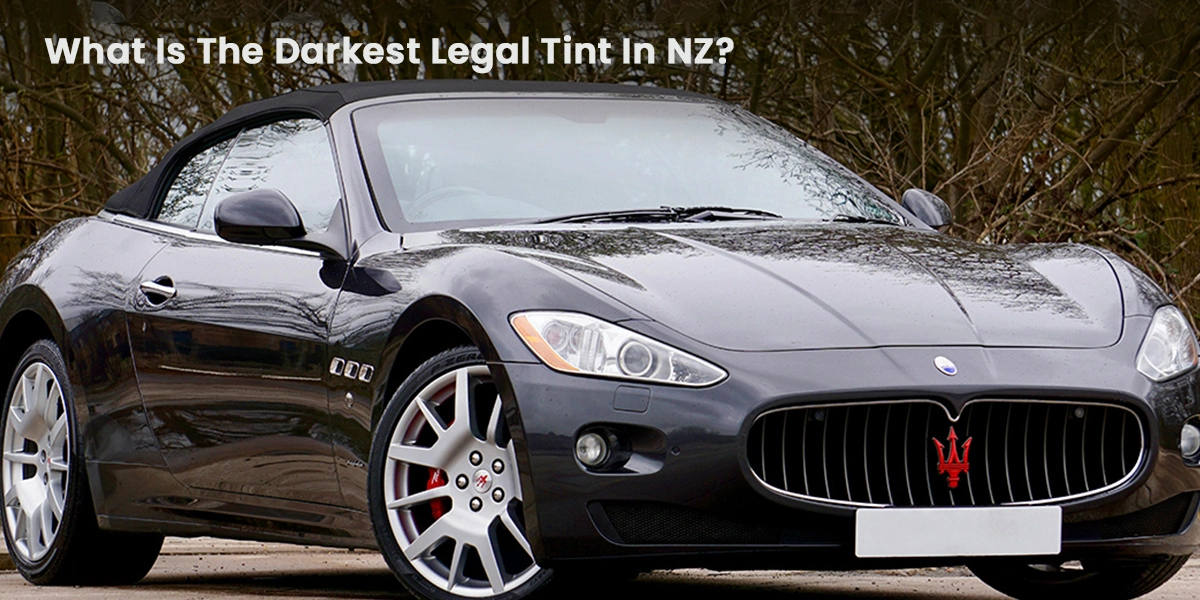
What Is The Darkest Legal Tint In NZ?

30 Aug 2024, By Admin

You’re cruising down a long, smooth highway, taking in the scenic beauty all around you. Suddenly, a sleek black sedan zooms by, catching your eye with its dark, mysterious window tints. The striking contrast between the deep black glass and the shining car body leaves you a bit envious—there’s something undeniably captivating about those dark tints.


Let’s be honest: dark tints give any car a bold, impressive look. Beyond their aesthetic appeal, they also offer practical benefits like protecting passengers from the sun and keeping the interior cool. However, it’s important to remember that there are specific regulations in New Zealand regarding the use of dark tints on vehicles, enforced by the New Zealand Transport Agency and the Ministry of Transport. These regulations must be followed to ensure your car stays road legal.


In this guide, we’ll cover everything you need to know about shaded car window tints, including the legal requirements in New Zealand. We’ll also show you how to have these dark tints installed on your car, legally and expertly.


How to Install the Darkest Legal Tints in NZ

At AutoExpert.co.nz, we are specialists in shaded car window tinting with over 8 years of experience. When it comes to ensuring that your car’s tints are both stylish and compliant with legal standards, AutoExpert is the name you can trust.


To achieve the best and darkest legal tint for your vehicle, visit our studio. Our experts will guide you through the process, helping you choose the perfect tint to transform your car.


Curious about what makes AutoExpert stand out? Learn more about us here, where you'll also find our contact details and location.


Now, let’s dive into the rules and regulations surrounding window tinting in New Zealand and find out what the darkest legal tint is.


Legal Tint NZ: The Reason for Regulations

Dark tints can make a vehicle look sleek and imposing, but there are good reasons for the legal restrictions on their use.


One of the main concerns is visibility. Once windows are heavily tinted, the interior of the vehicle becomes obscured, which could be exploited by individuals with ill intent, making it difficult for law enforcement to see inside the vehicle.


To prevent such issues, New Zealand has established clear rules for the use of dark tints.


These regulations don’t just apply to windows; there are also restrictions on tinting headlights. According to the New Zealand Transport Agency, it’s illegal to apply tint to headlights or lamps, except for decorative purposes.


How Tint Darkness Is Measured

The darkness of shaded car window tints is measured by Visual Light Transmittance (VLT).


VLT refers to the amount of light that can pass through the tinted windows. A higher VLT percentage means more light passes through, indicating a lighter tint, while a lower VLT percentage means less light passes through, indicating a darker tint.


To better understand the legal requirements, let’s take a closer look at the classification of passenger vehicles.


Classification of Passenger Vehicles

The New Zealand Transport Authority categorizes vehicles based on factors like size, power, and seating capacity.


Passenger vehicles are classified into three main categories: MA, MB, and MC.

  • MA (Passenger Car): Vehicles with up to 9 seating positions, including the driver.
  • MB (Forward Control Passenger Vehicle): Vehicles with 9 seating positions and a steering wheel located in the forward quarter of the vehicle’s length.
  • MC (Off-Road Passenger Vehicle): Vehicles designed for off-road use, also with 9 seating positions.


Other classifications include MD (light omnibus), ME (heavy omnibus), goods vehicles, and trailers, each with further sub-categories based on weight, capacity, and usage.


Checking Tint Compliance

The most accurate way to check if your window tint complies with NZ laws is by using a calibrated VLT meter, available at our studio. This device measures the exact VLT of the tint, ensuring it fully complies with the regulations set by the New Zealand Transport Agency and the Ministry of Transport.


We also recommend placing a sticker on the windshield that indicates the VLT level of the installed tints, which can help speed up inspections. While not mandatory, this sticker can make the process smoother.


For a more detailed understanding of legal tinting regulations, you can visit the Ministry of Transport’s website: Land Transport Rule: Glazing, Windscreen Wipe and Wash, and Mirrors Rule 1999.


Dark tints on car windows are not only stylish but also provide privacy and protection from the sun. However, they can also be misused, which is why strict regulations are in place.


At Dr. Tint, we have experience in installing top-quality dark tints that are both stylish and fully compliant with all legal requirements.


Consult with us today and give your car the perfect makeover with our expert tinting services!


Book Now

Why Tinting your car's windows can prove to be a boon for your leather upholstery?

The Ultimate Guide to Car Wrapping: Importance & Tips

30 Aug 2024, By Admin

If you're a car enthusiast looking to give your ride a unique and personalized touch, car wrapping can be an excellent option. Car wrapping is the process of applying a vinyl film onto the surface of a vehicle, completely transforming its appearance. It allows you to change the color, add the finishing, and even add custom graphics or designs to your car, creating a true masterpiece that reflects your style and personality. In this blog post, we will explore the world of car wrapping and how it can elevate your car enthusiast game to the next level.

Importance of Car Wrapping?

Car wrapping has become increasingly popular among car enthusiasts for several compelling reasons,

Customization - Car wrapping allows you to completely transform the appearance of your vehicle. With a wide range of colors, textures, and finishes available, you can create a unique and personalized look that reflects your style and personality. It gives you the opportunity to customize your vehicle without the permanence of a traditional paint job, making it a flexible option for those who like to change up their vehicle's appearance.

Protection - Car wraps provide a layer of protection to your car's original paint. The vinyl material used in car wraps acts as a barrier against minor scratches, chips, and fading from UV rays, helping to preserve the condition of your car's paint and keeping it looking newer for longer. This can be particularly beneficial if you want to maintain your car's resale value or lease a vehicle and want to protect it during the lease period.

Versatility - Car wraps can be used for a variety of purposes beyond just changing the color of your car. They can be used for advertising, business branding, or promoting a cause or event. Car wraps provide a cost-effective and attention-grabbing way to market your business or create awareness for a cause, as they turn your vehicle into a moving billboard that can reach a wide audience.

Reversibility - Unlike traditional paint jobs, car wraps are not permanent and can be easily removed without damaging your car's original paint. This means you can change or remove the wrap whenever you want, allowing for flexibility and versatility in your vehicle's appearance. It also means that if you're planning to sell your car or return a leased vehicle, you can remove the wrap and restore it to its original condition.

Cost-effective - Car wrapping can be a more cost-effective option compared to a traditional paint job, especially for complex designs or multiple color changes. The cost of a car wrap depends on factors such as the size of the vehicle, the type of wrap material used, and the complexity of the design. However, compared to the cost of a full repaint, car wrapping can be more budget-friendly while still providing a high-quality, customizable finish.

Non-permanent - Car wraps are a non-permanent option, which means you can experiment with different looks and styles without committing to a permanent change to your car's appearance. This gives you the freedom to try out different colors, finishes, and designs, and easily revert to the original look if you wish.

Tips for Car Wrapping Enthusiasts

If you're considering car wrapping for your vehicle, here are some tips to keep in mind:

Choose a Professional Installer - Car wrapping is a complex process that requires skill and experience. It's important to choose a professional installer who has a proven track record of quality work. Look for reviews, ask for recommendations, and check their portfolio before making a decision.

Decide on the Type of Wrap - There are different types of car wraps available, including vinyl wraps, color change wraps, and clear wraps. Consider your budget, desired look, and durability requirements when choosing the type of wrap that's best for your car.

Prepare Your Car - Before applying the wrap, make sure your car's surface is clean and free of any dirt, debris, or wax. A clean surface will ensure proper adhesion of the wrap and result in a smooth finish. Also, remove any accessories or trim that may interfere with the wrapping process.

Choose High-Quality Materials - Opt for high-quality vinyl materials for your car wrap. High- quality materials are more durable, resistant to UV rays, and can withstand the elements better, ensuring your wrap will last longer and look better.

Consider Maintenance - Car wraps require regular maintenance to keep them looking their best. Follow the manufacturer's instructions for care and maintenance, which may include avoiding harsh chemicals, hand washing, and avoiding high-pressure car washes.

Be Mindful of Environmental Factors - Extreme temperatures, prolonged exposure to sunlight, and harsh weather conditions can affect the lifespan of your car wrap. Parking your car in shaded areas, using a car cover, and avoiding harsh environmental conditions can help prolong the lifespan of your car wrap.

Avoid DIY Wrapping - Car wrapping is a skilled trade that requires proper training and experience. Attempting to wrap your car yourself without the proper knowledge and tools can result in a subpar finish and damage to your car's paint. It's best to leave car wrapping to the professionals.

Plan for Removal - Car wraps are not permanent and will eventually need to be removed. Plan for the removal process and be prepared for the possibility of minor paint touch-ups after removal. It's important to follow the manufacturer's instructions for proper removal to avoid damaging your car's paint.

Get a Warranty - Look for a professional installer who offers a warranty on their workmanship and the materials used. A warranty can provide you with peace of mind and protection against any potential issues with your car wrap.

Dr. Tint & Wrap is a professional and one of the leading car wrapping service providers in New Zealand. At Dr. Tint & Wrap, we take total care of all the mentioned tips and strictly follow local laws and regulations regarding car wraps, including restrictions on colors, designs, and placement of wraps. Some areas may have specific rules and regulations that need to be followed to avoid any legal issues.

See More

Why Tinting your car's windows can prove to be a boon for your leather upholstery?

Why Ceramic Coating is a Must-Have for Your Car in Hamilton

30 Aug 2024, By Admin

When it comes to protecting your car's exterior and keeping it looking sleek and shiny, ceramic coating is a game-changer. If you're a car owner in Hamilton, you're likely familiar with the challenges that your vehicle faces due to the city's diverse weather conditions, including harsh winters and intense sunlight. In this blog, we'll explore the benefits of ceramic coating, particularly for those in Hamilton, and why it's a must-have for your car.

What is Ceramic Coating?

Ceramic coating is a liquid polymer that is applied to the exterior surfaces of your car. This coating chemically bonds with the factory paint, creating a protective layer that offers numerous advantages. It's a highly effective method for safeguarding your vehicle's paintwork against various environmental contaminants and harsh weather conditions.

Benefits of Ceramic Coating in Hamilton

Hamilton is no stranger to harsh winters, with snow, ice, and road salts being common threats to your car's paint. Ceramic coating creates a barrier that shields your car's exterior from these harsh elements. It also makes it easier to remove snow and ice, preventing damage to the paint during the cleaning process.

In the summer, Hamilton can experience intense sunlight, which can cause your car's paint to fade and deteriorate over time. Ceramic coating acts as a shield against harmful UV rays, preserving the vibrant color and gloss of your car's finish.

Your car is constantly exposed to contaminants like bird droppings, tree sap, and insects. Ceramic coating forms a hydrophobic surface that repels these substances, preventing them from bonding to the paint and causing permanent damage. It also makes cleaning your car much easier, as dirt and grime slide off more effortlessly.

Ceramic coating provides a long-lasting shine that surpasses traditional wax or sealant. Your car will maintain its showroom-like finish for years, reducing the need for frequent polishing or detailing.

While ceramic coating doesn't make your car completely scratch-proof, it does offer a level of protection against light scratches and swirl marks. It acts as a sacrificial layer, absorbing the impact and preserving your car's underlying paint.

One of the most remarkable features of ceramic coating is its hydrophobic nature. Rainwater and other liquids bead up and roll off the surface, keeping your car cleaner and reducing water spots.

With ceramic coating, you'll spend less time and effort on maintaining your car's appearance. Cleaning is a breeze, and you won't need to wax your car regularly. This convenience is especially valuable in a city like Hamilton, where weather conditions can be challenging.

See More

Why Tinting your car's windows can prove to be a boon for your leather upholstery?

Exploring Different Types of Ceramic Coatings Available in Hamilton

30 Aug 2024, By Admin

Ceramic coatings have become a popular choice for car enthusiasts, homeowners, and industrial applications in Hamilton, Ontario. These coatings offer a wide range of benefits, including enhanced durability, heat resistance, and a sleek appearance. Whether you're looking to protect your vehicle's paint, enhance the aesthetics of your home, or improve the functionality of industrial equipment, there are various types of ceramic coatings available in Hamilton to suit your needs. In this blog, we'll explore some of the different types of ceramic coatings and their applications in the Hamilton area.

What Are the Different Types Of Ceramic Coatings?

Automotive Ceramic Coatings:

Nano ceramic coatings are incredibly thin, transparent layers that bond with the paint of your vehicle. They offer exceptional protection against UV rays, acid rain, and environmental contaminants. These coatings are ideal for car enthusiasts in Hamilton who want to keep their vehicles looking pristine.

SiO2 coatings are known for their hydrophobic properties, which make them excellent for repelling water, dirt, and debris. They create a glossy finish and provide long-lasting protection against various elements.

  • Nano Ceramic Coatings:
  • SiO2 (Silicon Dioxide) Coatings:
  • Graphene Coatings:

Graphene coatings are a relatively new addition to the ceramic coating family. They are exceptionally durable and known for their high heat resistance. These coatings are suitable for those who demand the best protection for their vehicles, especially in Hamilton's varied weather conditions.

Benefits of Ceramic Coating in Hamilton

Ceramic coatings create a durable and protective layer on the vehicle's paint surface. This layer acts as a shield against various environmental contaminants, such as dirt, dust, road salt, bird droppings, tree sap, and UV rays. In Hamilton, where winter weather and road salt can be particularly harsh on vehicles, ceramic coatings can help prevent damage and corrosion.

Ceramic coatings provide a long-lasting, high-gloss finish to your vehicle. This shine not only makes your car look impressive but also stays intact for an extended period, reducing the need for frequent waxing and polishing.

Ceramic coatings make it easier to clean your car. Their hydrophobic properties repel water and prevent contaminants from sticking to the surface, making it less likely for dirt and grime to accumulate. This makes washing and maintaining your car in Hamilton more convenient.

  • Enhanced Paint Protection:
  • Long-Lasting Shine:
  • Easy Maintenance:
  • Resistance to Chemicals:

Ceramic coatings are resistant to many chemicals, including harsh cleaning agents and road salts. This resistance helps protect your car's paint from the corrosive effects of chemicals and can be particularly beneficial in areas with extreme weather conditions, like Hamilton.

Residential Ceramic Coatings:

Hamilton's climate can be tough on the exterior of homes. Ceramic coatings can be applied to the exterior walls to protect them from harsh weather conditions and pollutants. They also add a glossy finish, giving your home an attractive and clean look.

Ceramic roof coatings are designed to extend the life of your roof by providing a protective barrier against moisture, UV rays, and temperature fluctuations. In a city like Hamilton, where weather can be unpredictable, this is a valuable investment.

  • Exterior House Coatings:
  • Roof Coatings:
  • Window and Glass Coatings:

Window and glass coatings enhance energy efficiency, reduce heat buildup, and make cleaning easier. Hamilton residents can benefit from these coatings by reducing energy costs and making their homes more comfortable.

Industrial Ceramic Coatings:

Industries in Hamilton dealing with high-temperature equipment such as engines, exhaust systems, and industrial machinery can benefit from high-temperature ceramic coatings. These coatings provide thermal insulation and corrosion resistance, prolonging the life of equipment.

Industries that face exposure to chemicals and corrosive environments often use ceramic coatings to protect their assets. These coatings offer a durable and long-lasting solution to prevent corrosion.

  • High-Temperature Ceramic Coatings:
  • Anti-Corrosion Coatings:
  • Wear-Resistant Coatings:

Manufacturing and heavy machinery industries in Hamilton require coatings that can withstand the wear and tear of daily operations. Wear-resistant ceramic coatings are designed to do just that, extending the life of industrial equipment.

In Hamilton, the wide variety of ceramic coatings available cater to the specific needs of the automotive, residential, and industrial sectors. These coatings not only protect surfaces but also improve their aesthetic appeal, making them a valuable investment. Before choosing a ceramic coating, it's essential to consider your specific requirements and consult with professionals who can recommend the most suitable option for your needs.

Whether you want to preserve the pristine appearance of your car, protect your home from Hamilton's ever-changing weather, or enhance the durability of industrial equipment, ceramic coatings offer a versatile and effective solution for residents and businesses in Hamilton. When applied correctly, these coatings provide long-lasting protection and aesthetic benefits, making them a worthwhile investment for those looking to maintain the quality and appearance of their possessions.

See More

Feedback
   Feedback    Call Now